


Units for Spring Constant
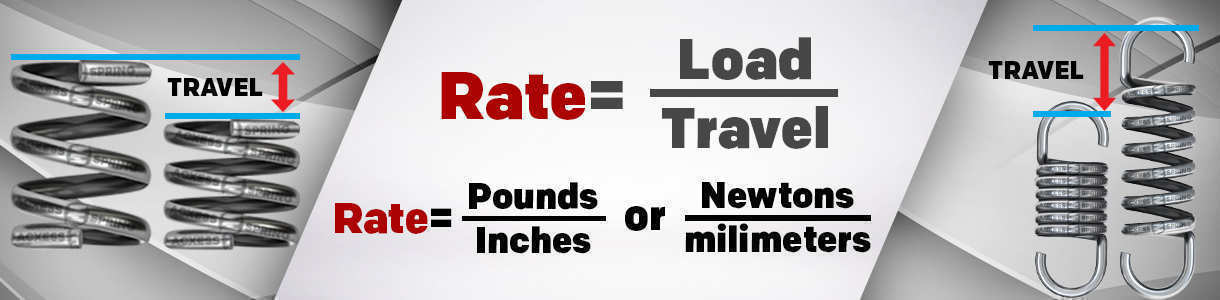
The spring constant unit is a fundamental property in physics that quantifies the stiffness of a spring . The spring constant unit is the amount of force the spring has by one unit of distance. In inches, it’s pounds per inch of compression. In metric, it's Newtons per millimeter of compression. It measures the resistance of a spring either compressing, extending, or twisting when an external force is applied. The concept originates from Hooke's Law , which states that the force exerted by a spring is directly proportional to the distance it is stretched or compressed. This relationship is mathematically expressed as F = kx, where:
F is the force applied to the spring,
k is the spring constant,
x is the displacement of the spring from its equilibrium position.


Units for k Spring Constant
The units of the spring constant , k, depend on the system of measurement used. In the Imperial system, the spring constant is expressed in pounds per inch (lb/in), denoting the force in pounds needed to achieve a displacement of one inch. For instance, a spring with a constant of 50 lb/in would require a force of 50 pounds to be stretched or compressed by one inch. In the metric system, the spring constant is typically expressed in newtons per meter (N/mm), indicating the force in newtons required to stretch or compress the spring by one millimeter. For example, a spring with a constant of 200 N/mm would need a force of 200 newtons to be stretched or compressed by one millimeter of distance traveled.
Understanding the units of the spring constant is important for accurately designing and analyzing systems involving springs, as it directly relates to how much force is needed to achieve a specific displacement, thereby determining the spring's stiffness and suitability for various applications.
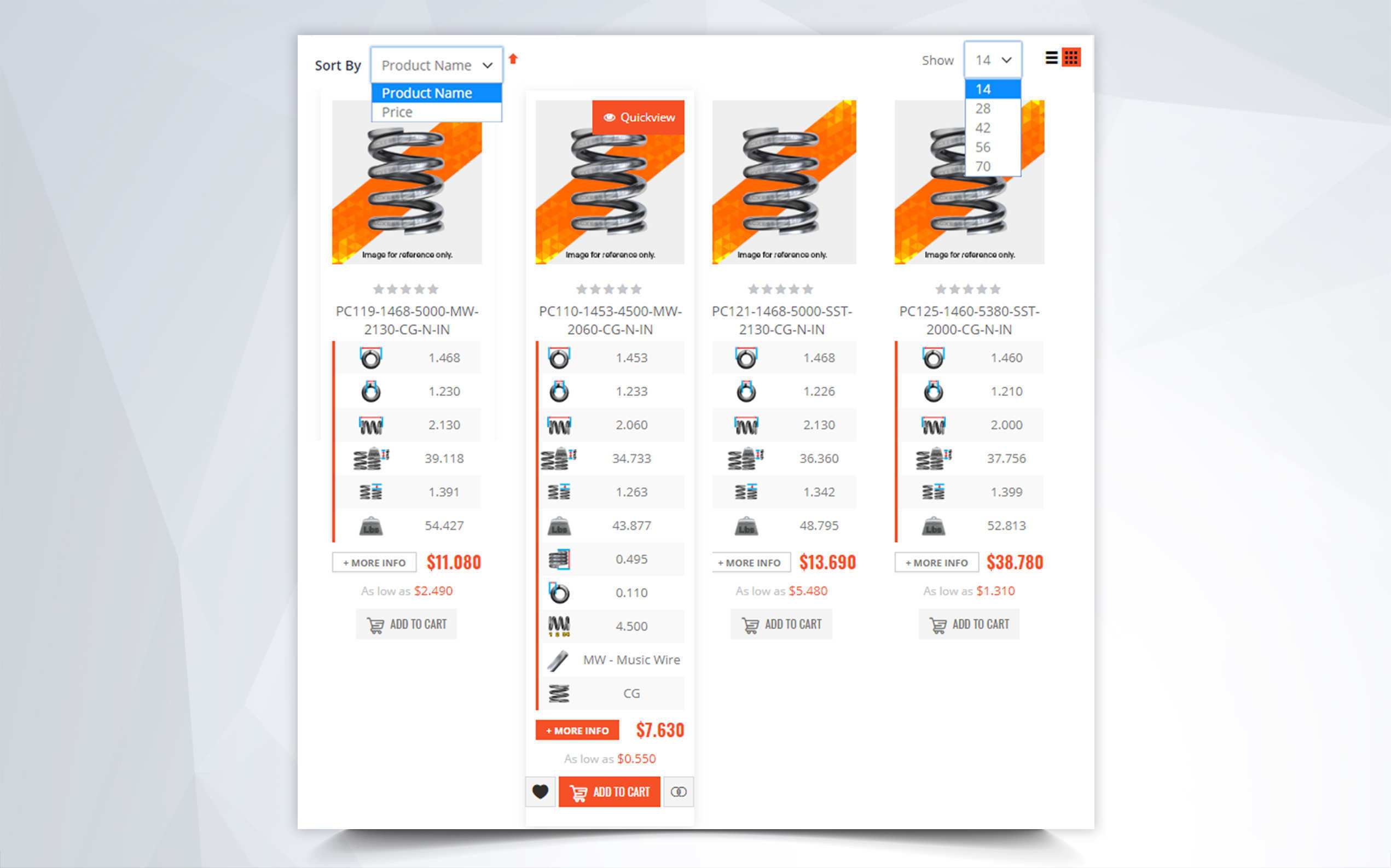
Compression springs are designed to operate with a compressive load, making them crucial in numerous mechanical systems where they can absorb energy or maintain a force between contacting surfaces. These springs are typically cylindrical and are used in applications where space is a constraint, but high force output is required. In inches, compression springs constant units are pounds per inch of compression or deflection. In metric, the compression spring constant is newtons per millimeter of compression or deflection.
Common Uses:
- Automotive Suspensions: In vehicles , compression springs are used to absorb the shocks from the road, helping to maintain vehicle stability and passenger comfort. The spring constant affects how soft or firm the ride feels. For example, a higher spring constant results in a firmer ride.
- Consumer Electronics: Inside many household devices like toasters and retractable pens, small compression springs help to return buttons to their initial position after use.
- Industrial Machinery: Compression springs are integral in machinery for producing consistent forces in presses, dampening equipment, and for safety purposes in valve operations.
Calculation Example:
Situation: An office equipment requires a spring that can compress by 0.5 inches under a load of around 11 pounds.
Calculation:
k = F ÷ x = 11 lb ÷ 0.5 in = 22 lb/in


- Interpretation: The spring constant of around 22 lb/in indicates that the spring has a moderate stiffness, requiring a force of approximately 22 pounds to compress it by one inch. This makes it suitable for applications where a balanced amount of force and flexibility is needed, such as in consumer electronics or office equipment, ensuring reliable performance without being overly rigid. A spring like PC080-750-9700-SST-2000-C-N-IN will be adequate for this application.


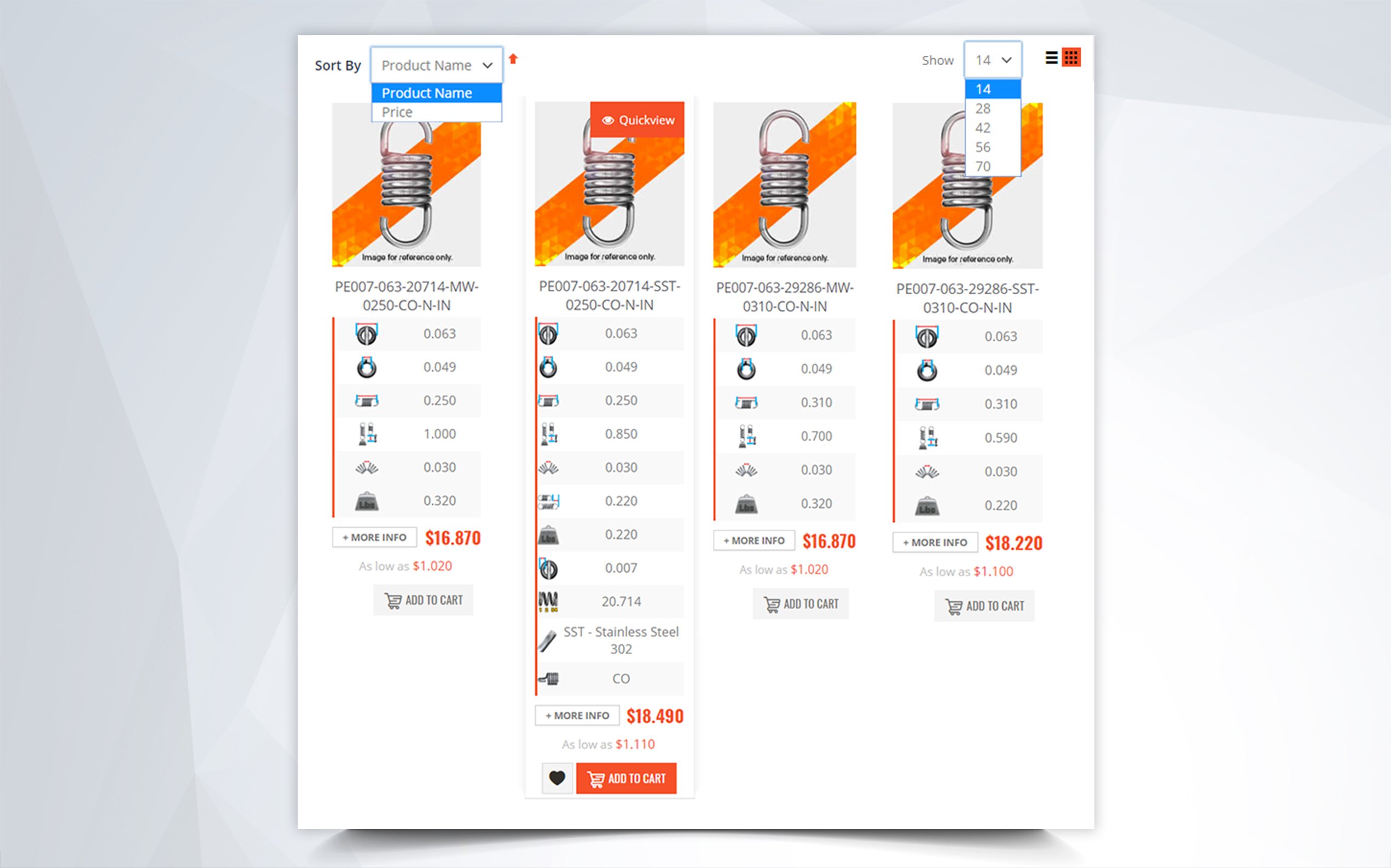
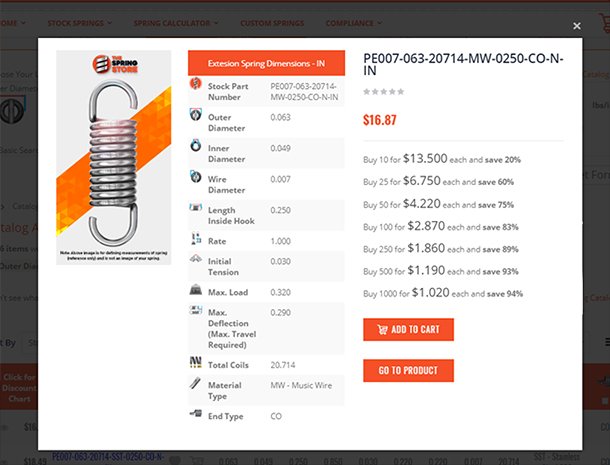
Extension springs are designed to absorb and store energy by creating a resistance to a pulling force. They are generally attached by hooks at both ends to other components and when these components move apart, the spring tries to bring them back together. In inches, extension springs constant units are pounds per inch of extension or stretch. In metric, the extension spring constant is newtons per millimeter of extension or pull.
Common Uses:
- Exercise Equipment: In fitness machines , extension springs are used to create resistance. Adjusting the spring's tension can change the difficulty level of the exercise.
- Agricultural Machinery: Used in equipment for pulling or positioning heavy loads, ensuring smooth operation and reducing wear on components.
- Garage Door Mechanisms: These springs counterbalance the weight of the garage door, allowing for easier lifting and lowering. The spring constant determines how much weight the spring can counterbalance.
- Trailer Ramps: To reduce the weight of the ramp while lifting the ramp back up for transport.
Calculation Example:
Situation: An exercise machine uses a spring that extends by 2 inches with a 17.724-pound force, including an initial tension of 3.1885 pounds.
Calculation:
First, we need to determine the net force applied to the spring after accounting for the initial tension. The net force, Fnet, can be calculated as:
Fnet = Ftotal − Finitial = 17.724 lb − 3.1885 lb = 14.5355 lb
Now, we can use Hooke's Law to calculate the spring constant k:
k = Fnet ÷ x = 14.5355 lb ÷ 2 in = 7.26775 lb/in
Therefore, the spring constant of the spring is 7.26775 lb/in.


- Interpretation: A spring constant of 7.26775 lb/in makes this spring ideal for fitness equipment where a moderate force can significantly extend the spring. This level of stiffness is suitable for accommodating different exercise intensities, with a balanced resistance that enhances the effectiveness of workouts. A spring like PE075-750-20334-MW-2500-MH-N-IN is perfect for this application.


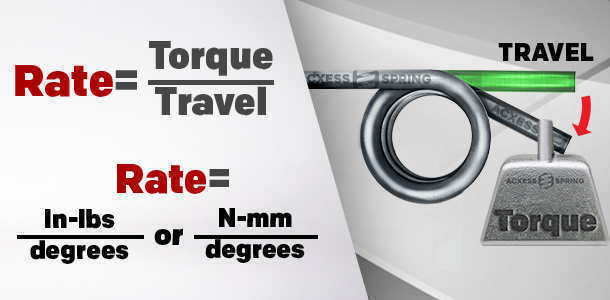
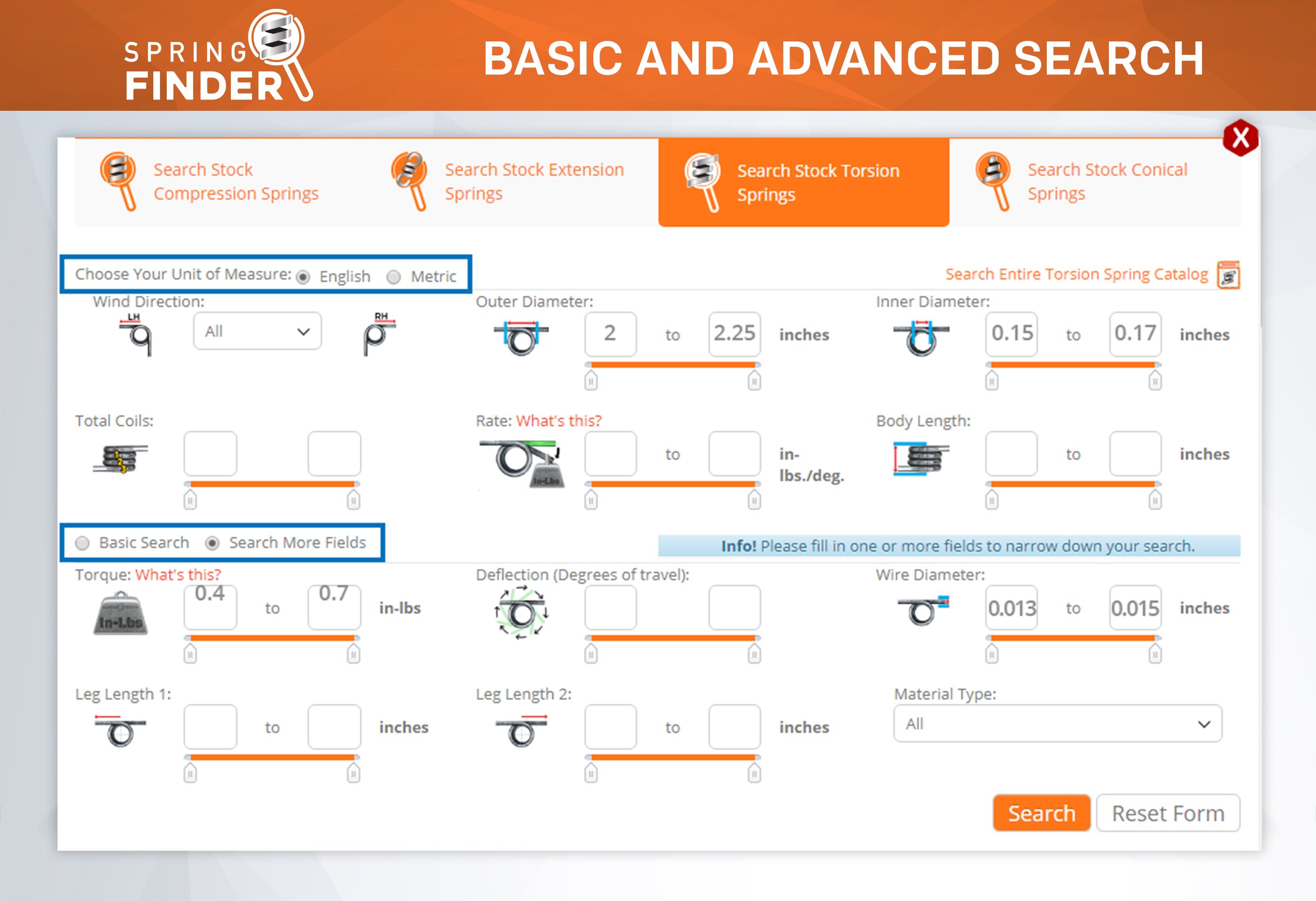
Torsion springs are designed to exert torque or rotational force, rather than linear force. They operate by twisting their ends in angular motion, which means they store and release angular energy. These springs can either hold components in place or store and release energy when they rotate components back to their original position. In inches, torsion spring constant units are inch pounds per degree of torque. In metric, the torsion spring constant unit is newton-millimeters per degree of torque.
Common Uses:
- Automotive Industry: Torsion springs are crucial in vehicles for applications such as car levers and hood hinges, where they assist in the smooth opening and closing by counterbalancing the weight of the lid or door. Torsion springs also assist in the door handle to open the cars' door, when you pull on the lever the car door opens then you release the lever, and it goes back into place.
- Home Appliances: Many clipboards and clothespins use torsion springs to provide the necessary clamping force that keeps items secured.
- Electronics and Watches: Small torsion springs are employed in electronic devices and timepieces where precise movement control is needed.
Calculation Example:
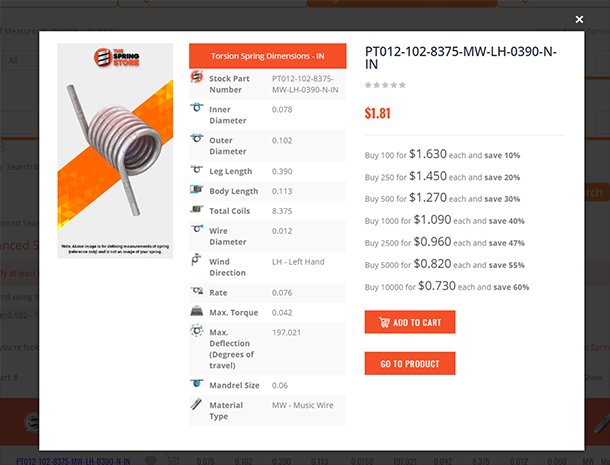
- Situation: Imagine you are designing a mechanical hinge for a lid that needs to stay open at a specific angle of 95 degrees from its closed position. You’ve selected PT072-750-8875-MW-LH-2000-N-IN and need to test if it’s the right choice. You need to calculate the torque required and ensure the spring can provide this torque.
- Calculation: First, we need to find the torque required to hold the lid at a 95-degree angle.
- Deflection Angle: 95 degrees
Using the spring rate of 0.03393:
Torque = Spring Rate × Deflection Angle
Torque = 0.03393 in-lbs/deg × 95 degrees
Torque = 3.22335 in-lbs


Verify Spring Capability
Ensure the spring can handle this torque:
- Max Torque of Spring: 7.0406 in-lbs
Since 3.22335 in-lbs is less than the maximum torque of 7.0406 in-lbs, the spring can handle this torque without any issues. Meaning PT072-750-8875-MW-LH-2000-N-IN is a viable solution for this application.


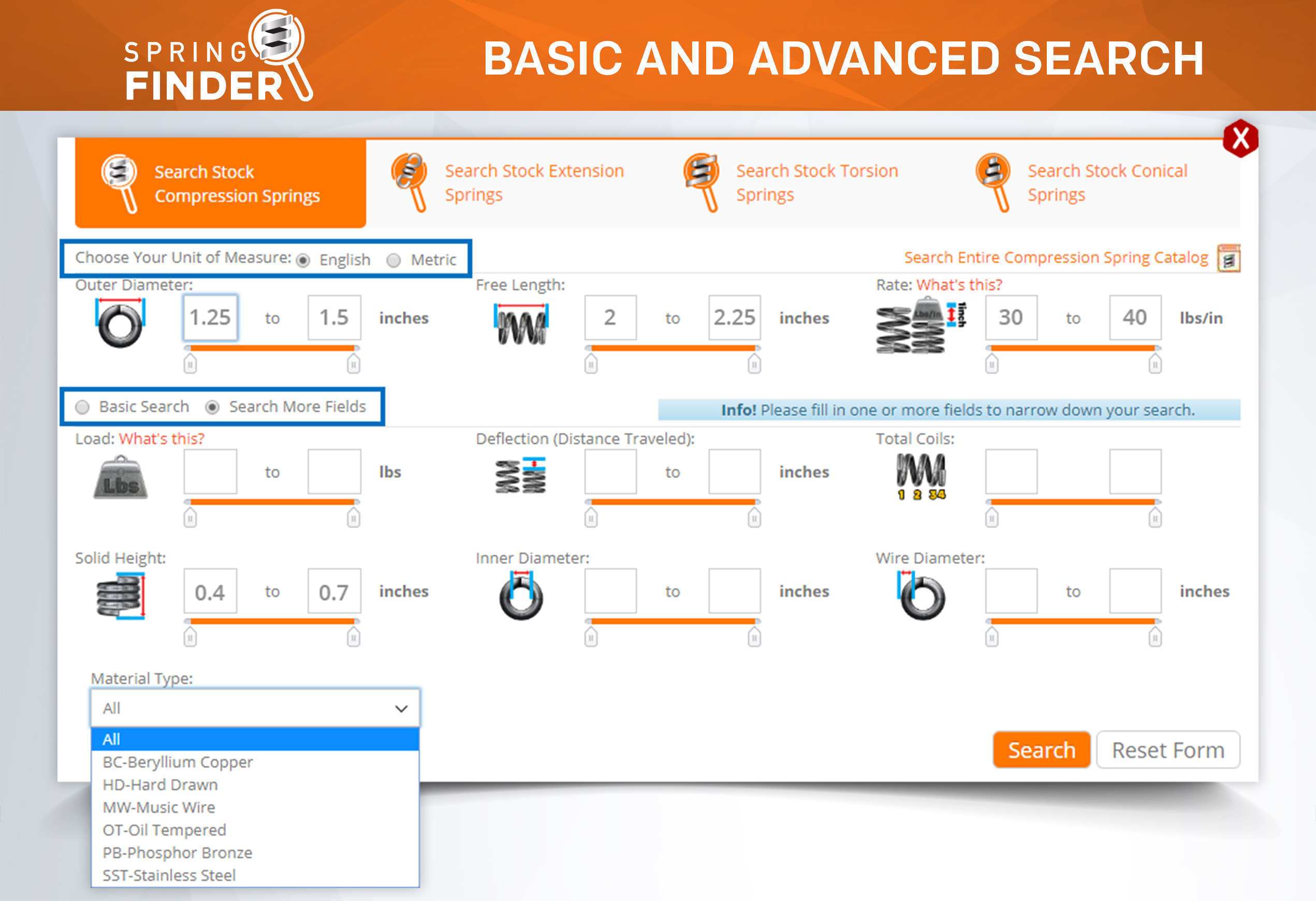
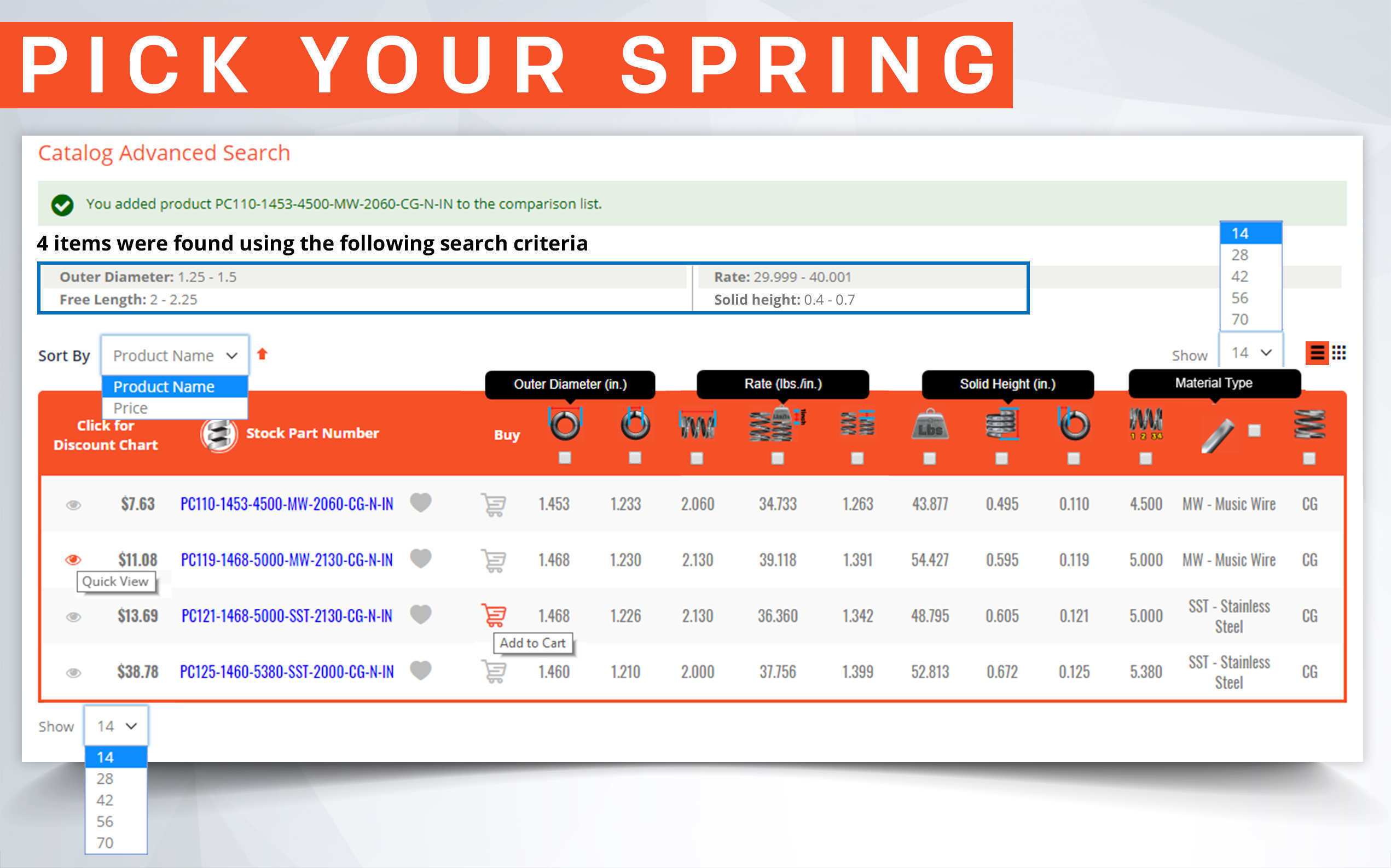
Utilize Acxess Spring's advanced tools like the Spring Creator 5.0 and Online Spring Force Tester to simulate, calculate, and validate the spring constants units for your specific needs. These tools are designed to help engineers and designers create more reliable and effective spring-loaded mechanisms by providing accurate measurements and facilitating prototype testing.
Take action now: Visit Spring Creator 5.0 today and start transforming your spring design process with the best tools in the industry. Ensure your springs are not only fit for purpose but optimized for maximum performance and durability. Whether you're in the automotive, electronics, or any other industry relying on precise mechanical components, let Acxess Spring help you achieve excellence in every spring you design.