




Springs in Parallel
Do you have an application where several springs are working together? Perhaps you are using one spring and it isn't able to carry out your working loads. Whichever the case, here we show you how to calculate the spring rate of several springs working in parallel and the load each spring will carry.
Dividing the Load…
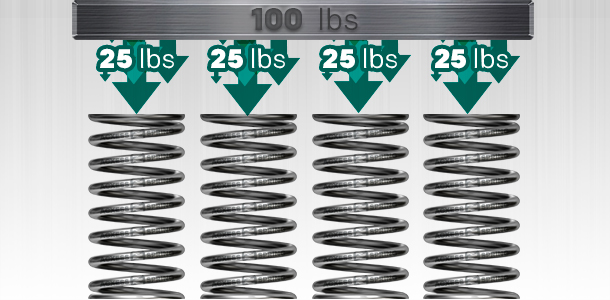
When springs work in parallel, the load being applied is equally distributed amongst them. Should you need to know how much load each spring undergoes, you simply divide the total load by the number of springs being used. Doing so will tell you each spring's individual load. This value will assist you in calculating the working loads and required spring rate per spring. Such information is quite useful when working out a design because you only have to worry about one spring, one load, one rate.
To calculate individual load →
Calculating the Spring Rate
To calculate the rate being exerted when using more than one spring, you simply add them together. If the springs have different spring rates, you must add each rate individually. However, if the springs are identical (thus having the same spring rate), you multiply this value by the number of springs working together.
If you haven't worked out a spring design, divide the full load by the distance your springs are supposed to travel. This calculation will give you the total spring rate. To know the required spring rate per spring, simply divide the full rate by the number of springs you are planning to use. Once you have done that, you can begin working out a design that meets the required spring rate.
To calculate individual spring rate →
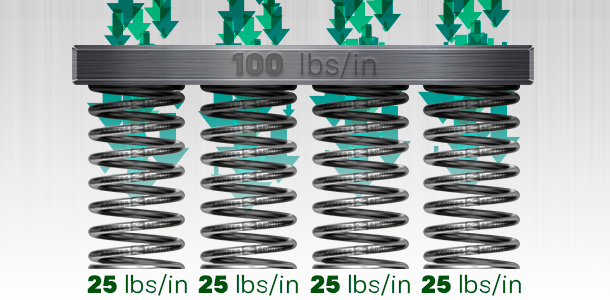
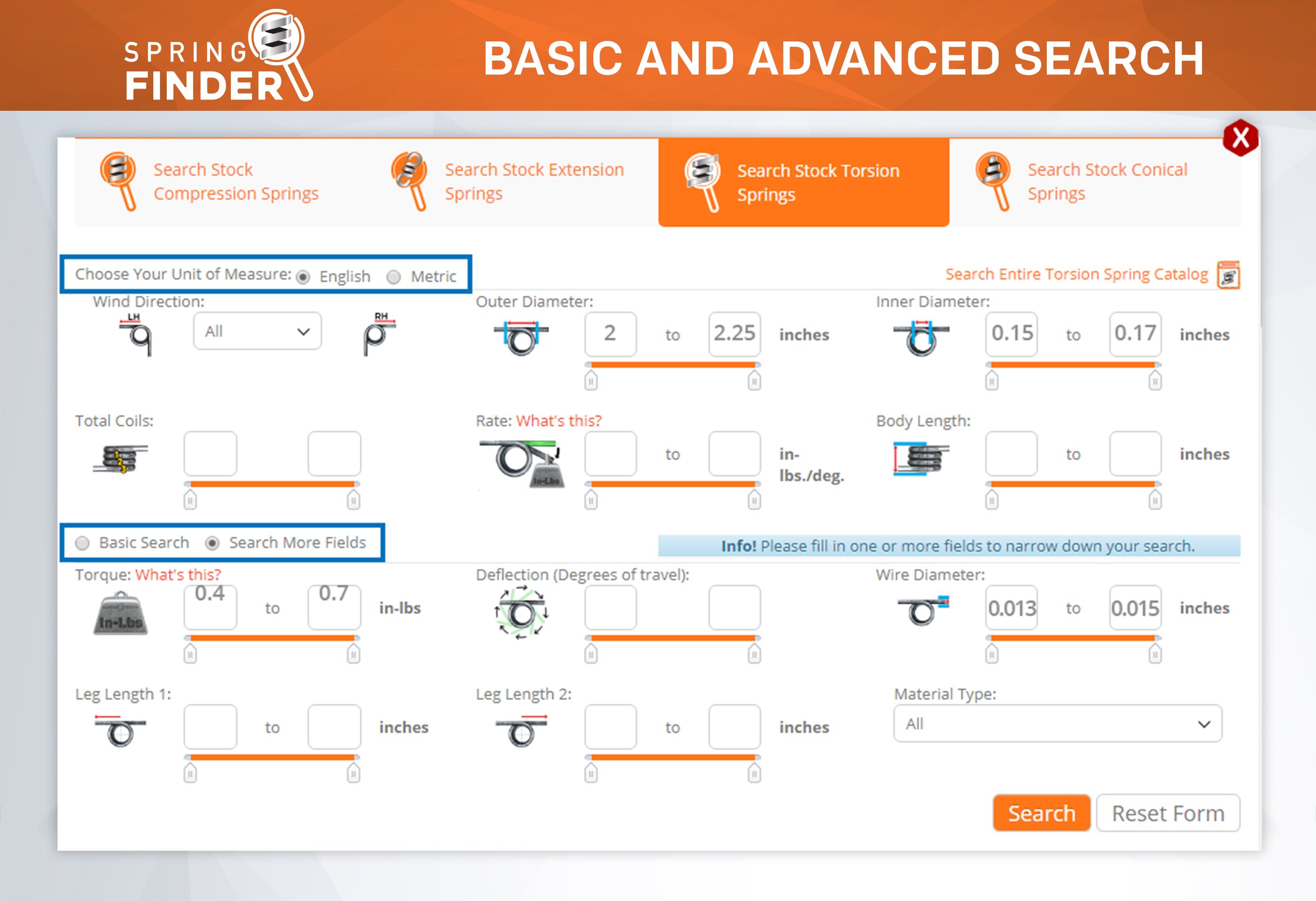
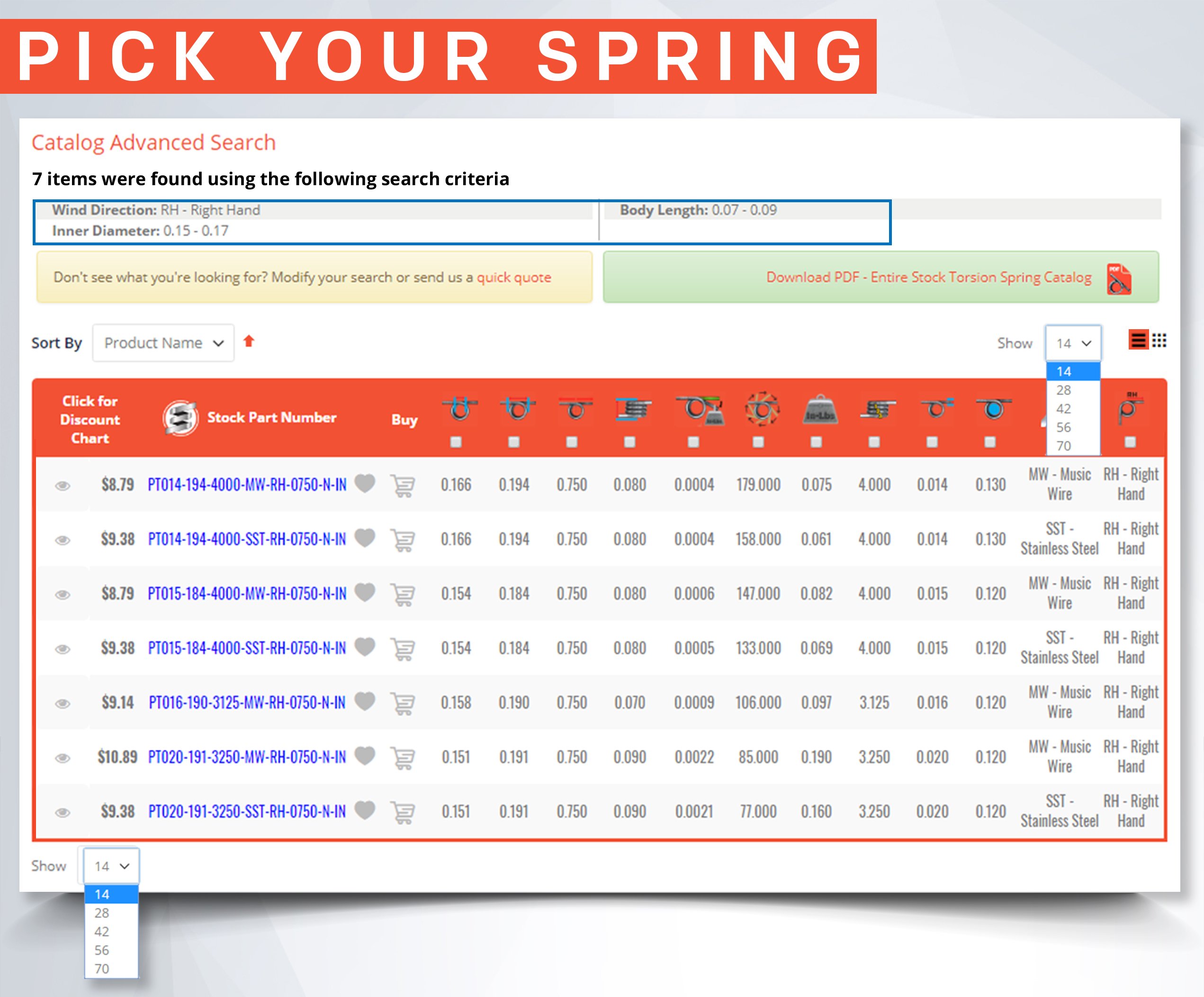
The diagrams to the right of this article explain the concepts described above. If you are having trouble working out the spring rate or meeting the working loads of parallel springs, you can contact us for additional assistance. We offer a wide variety of stock springs which may work in your application. If you don't find the springs you are looking for in our catalog, try our Instant Spring Quote for a custom spring design.