





What To Consider When Looking For Stock Extension Springs
Extension springs are meant to be extended when a load is placed. Their coils will return to having no pitch when the load is released. Stock extension springs are available in different material types and have different kinds of hooks. It is important to take all of this into consideration when deciding what extension spring to buy. Take a look at some important things to consider when buying extension springs.
Dimensions
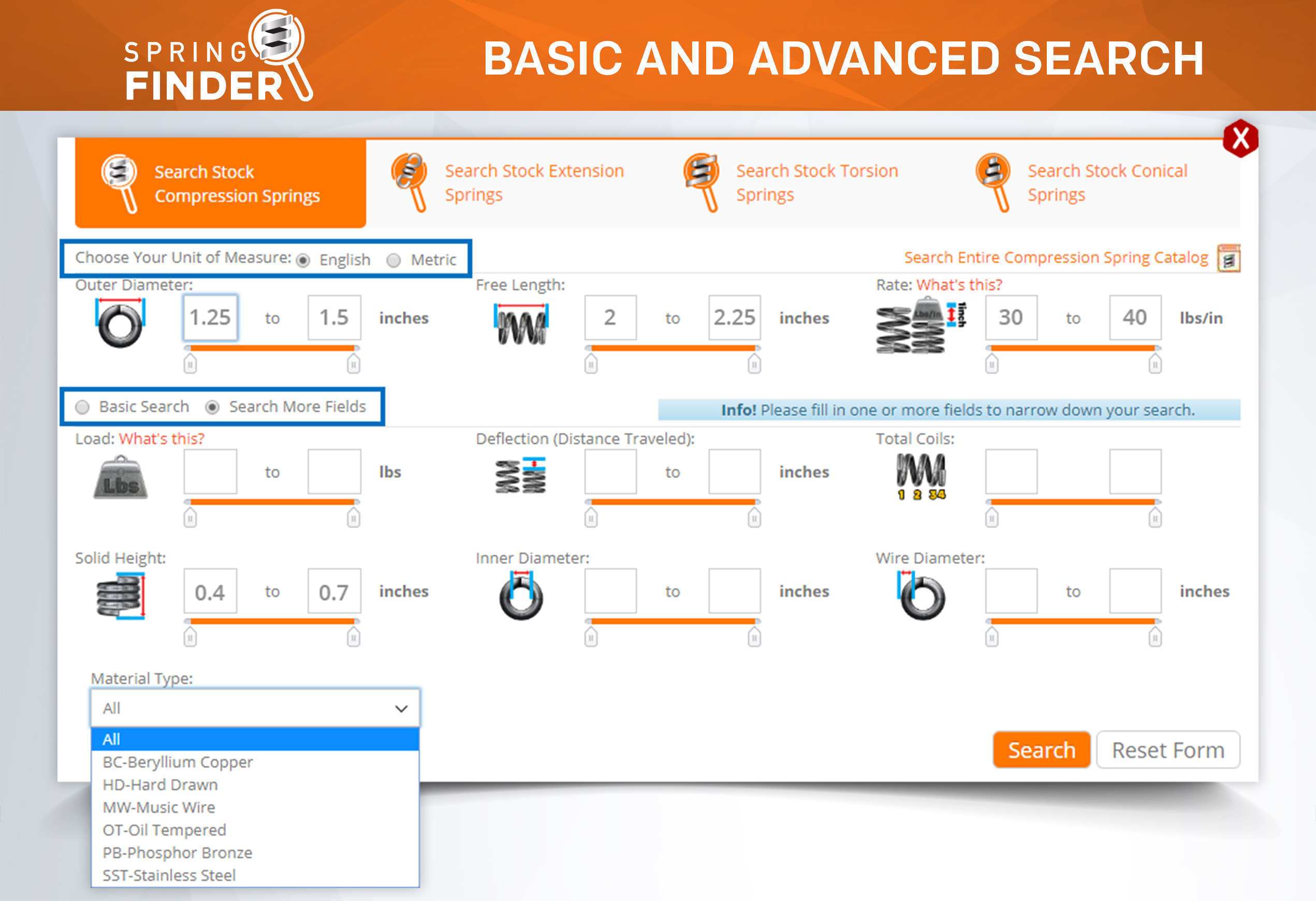
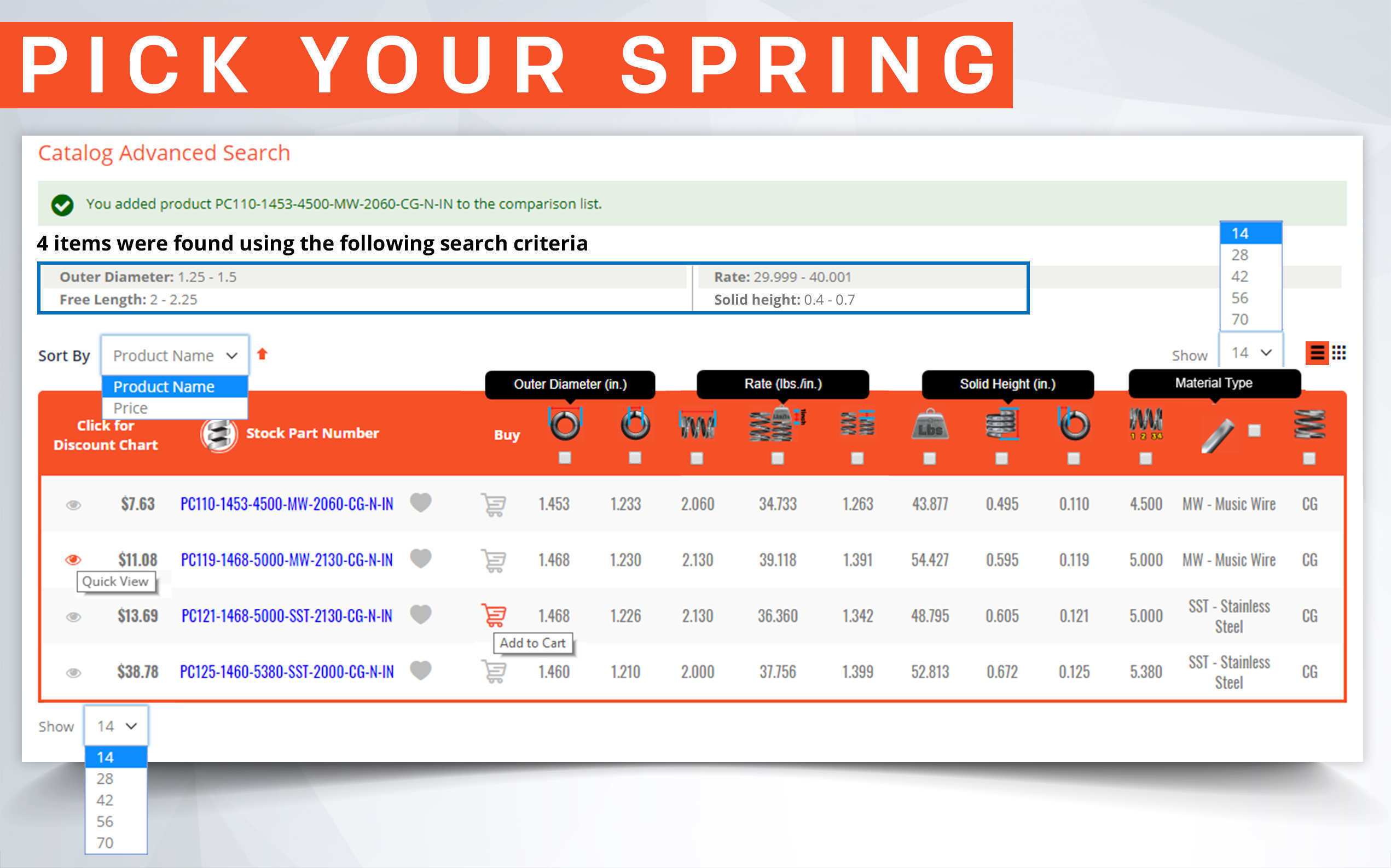
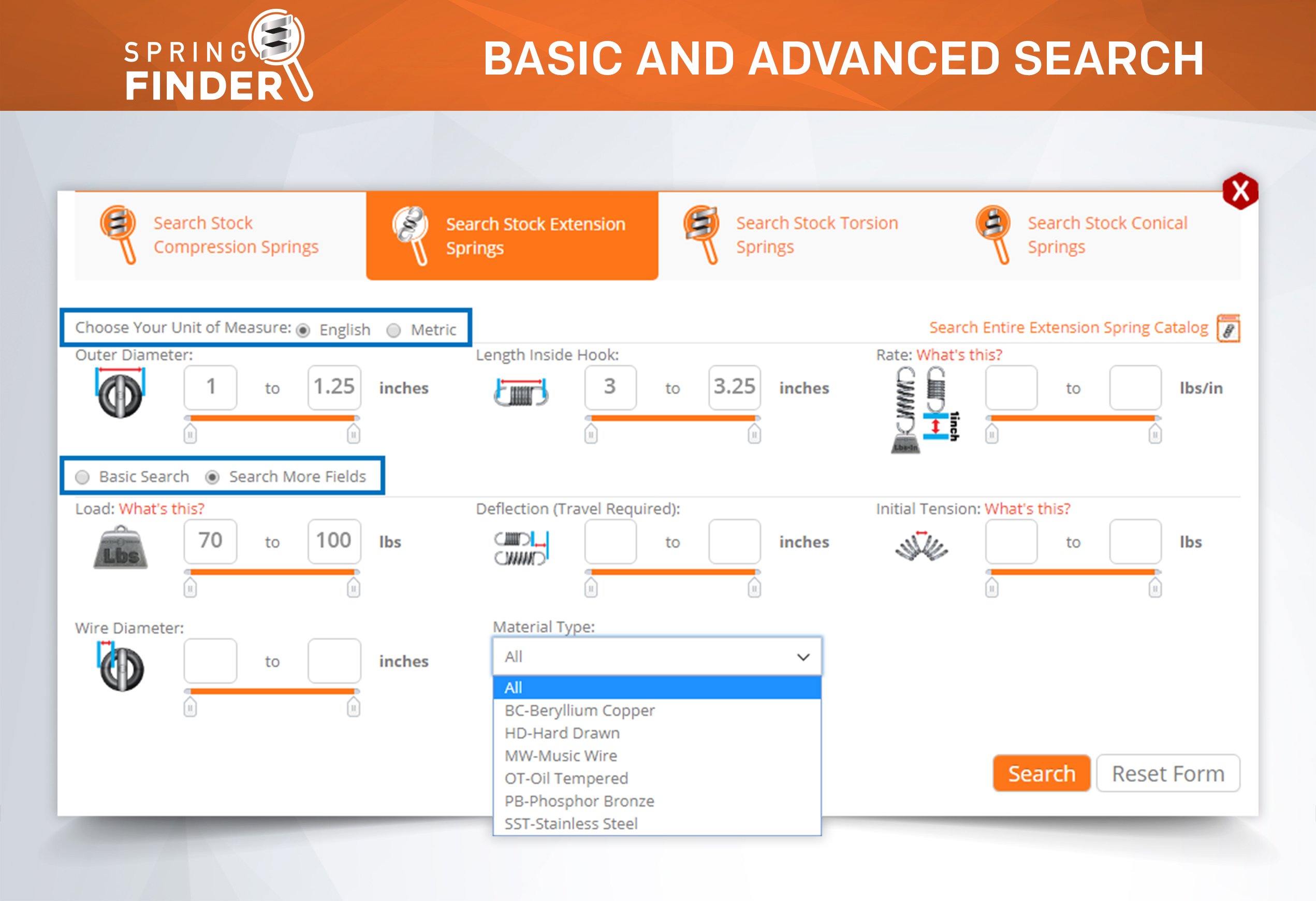
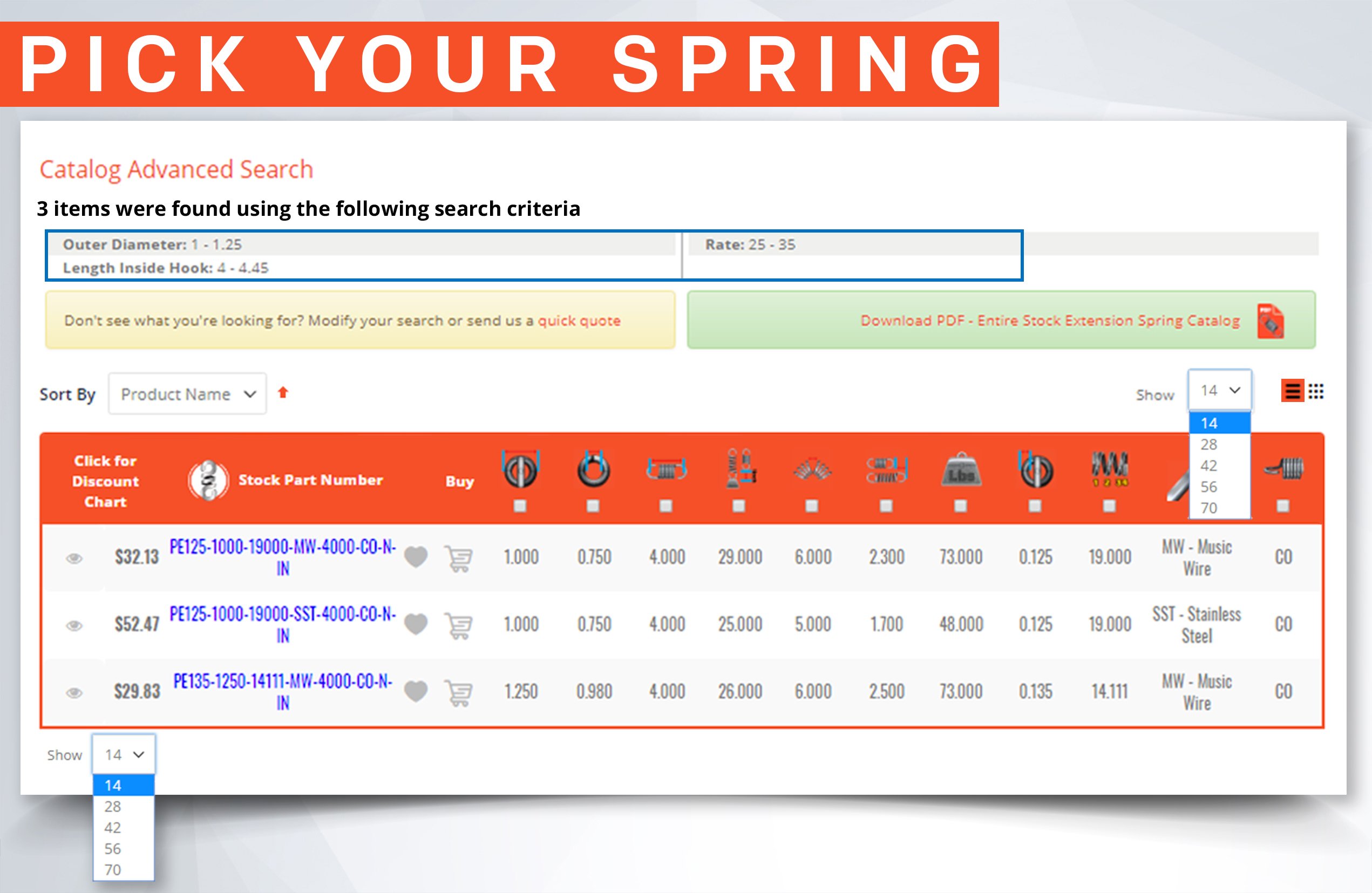
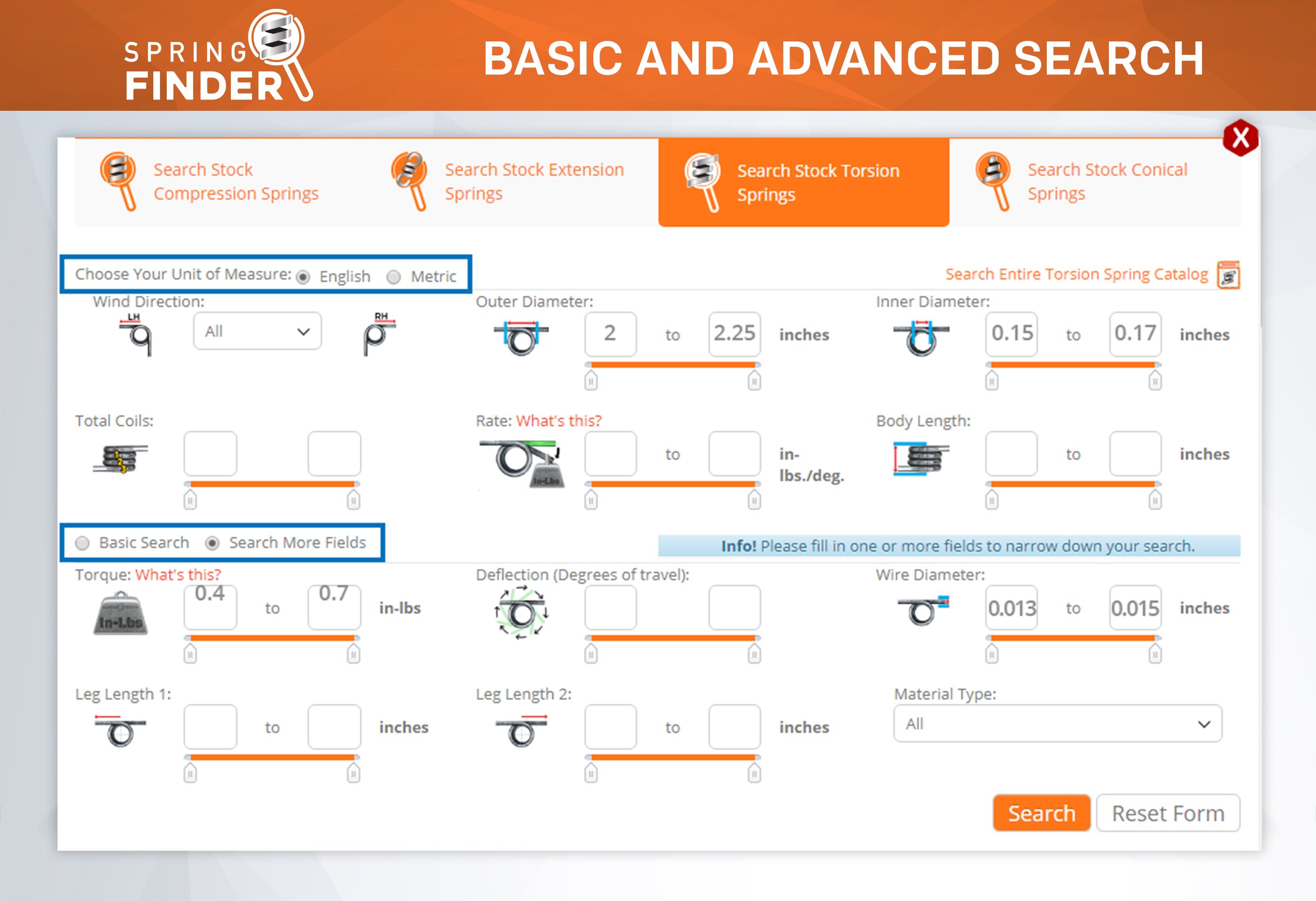
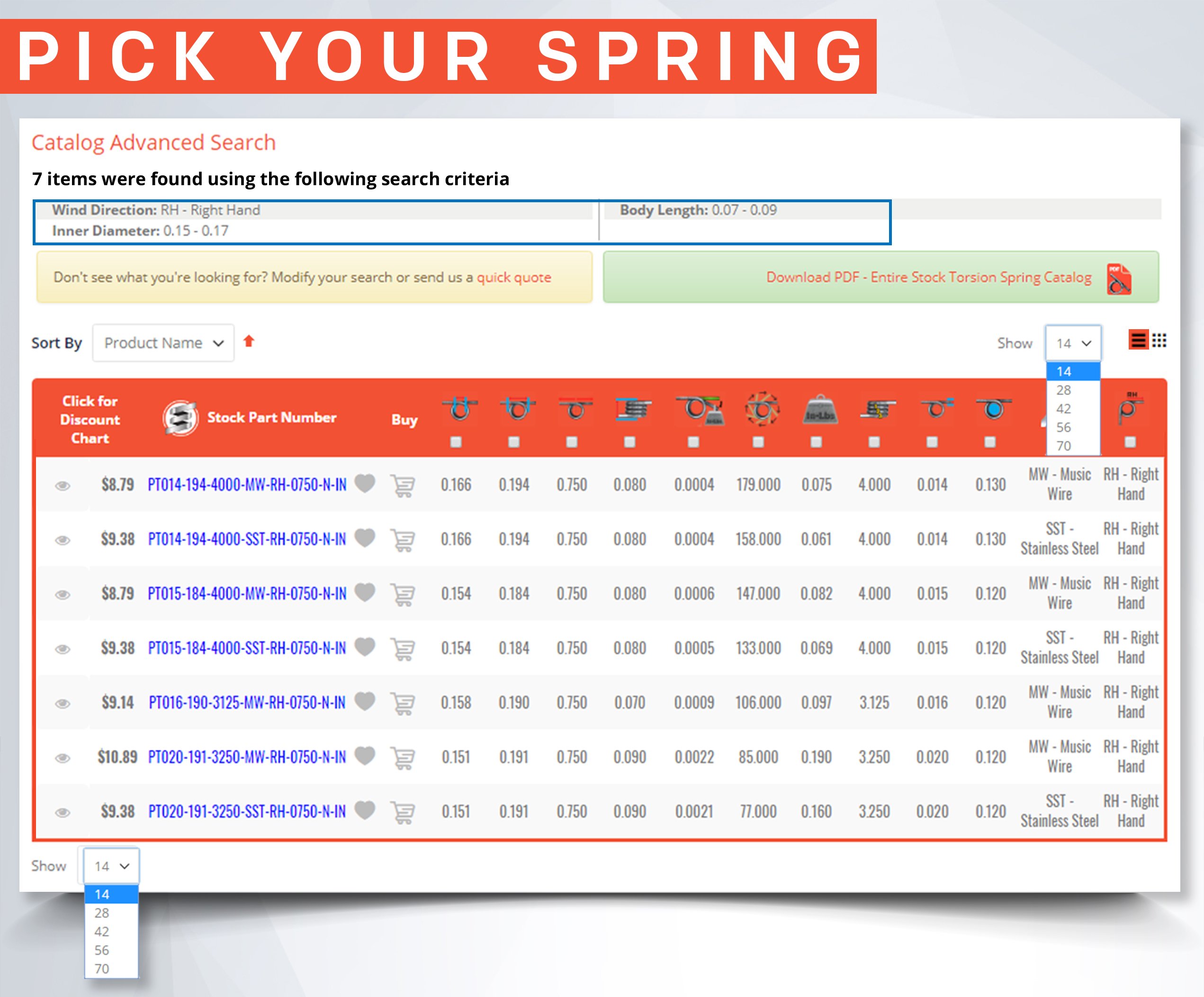
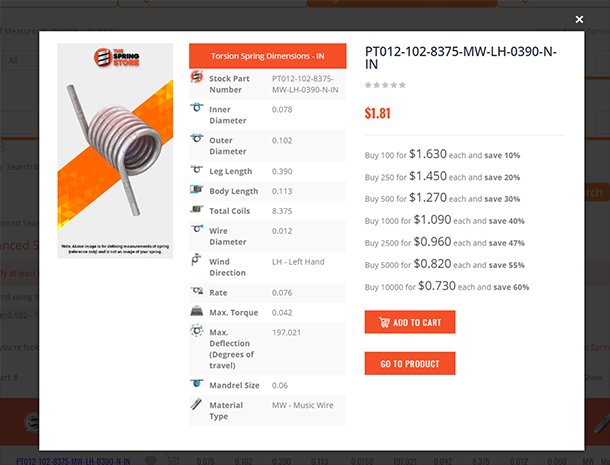
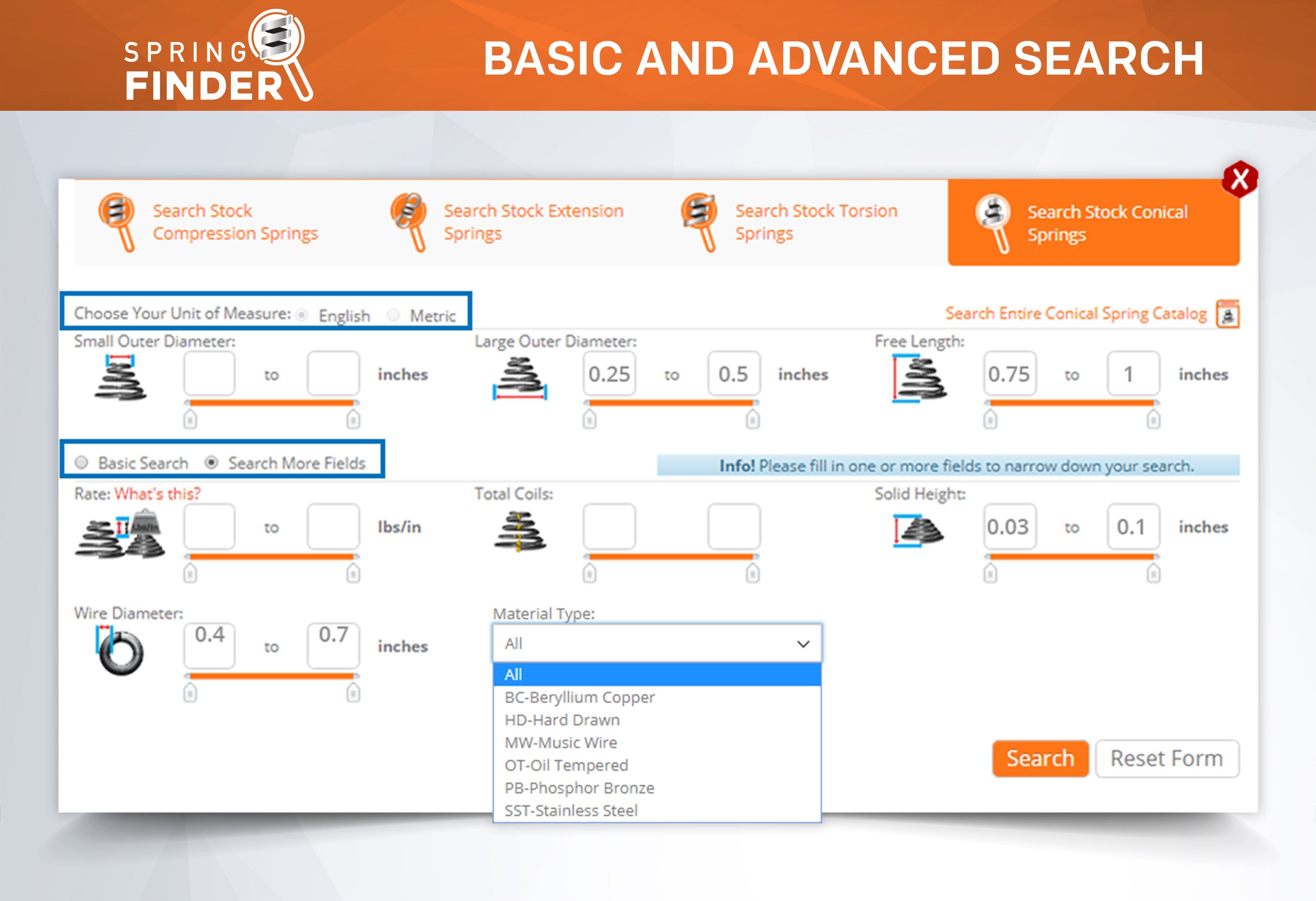
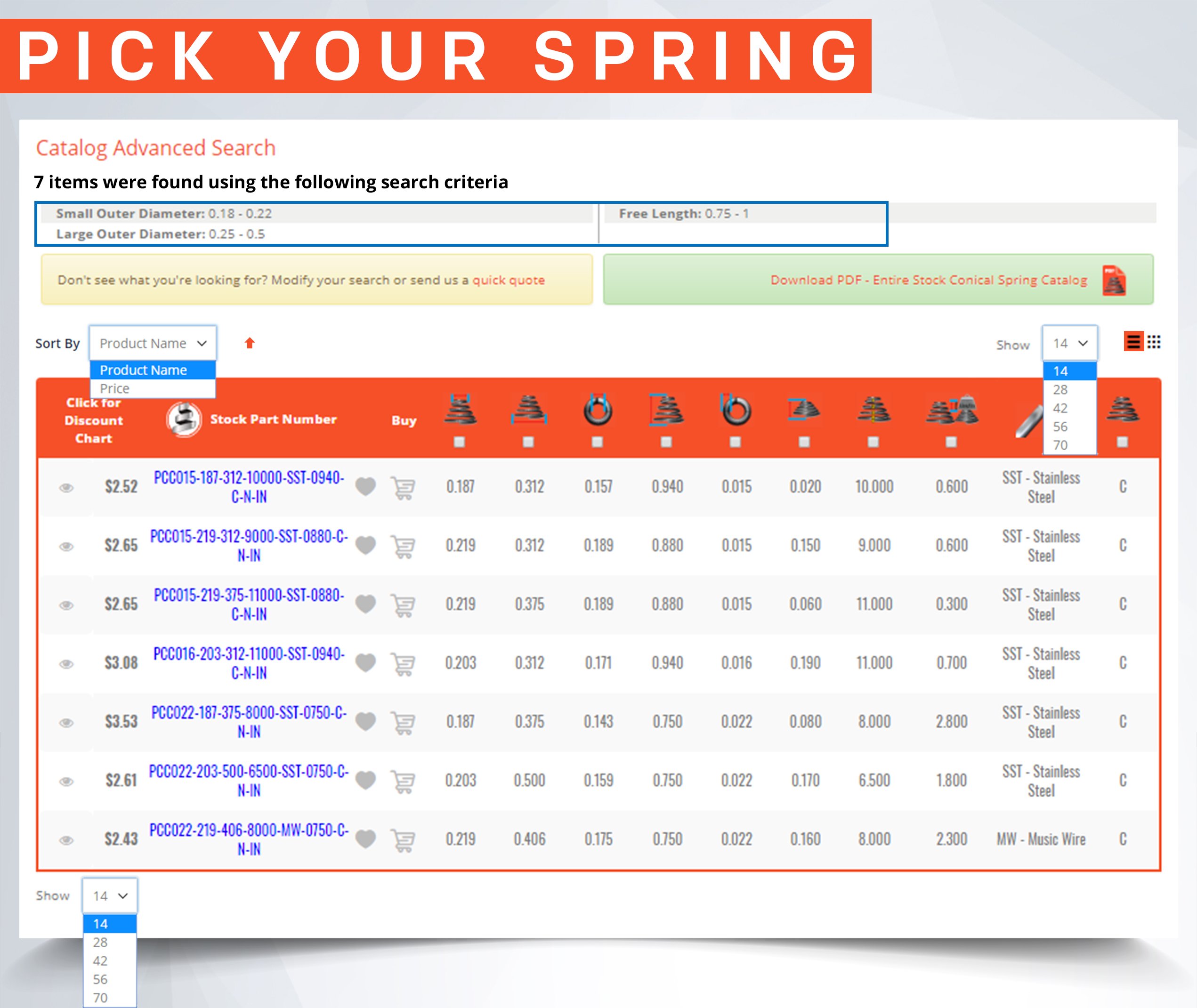
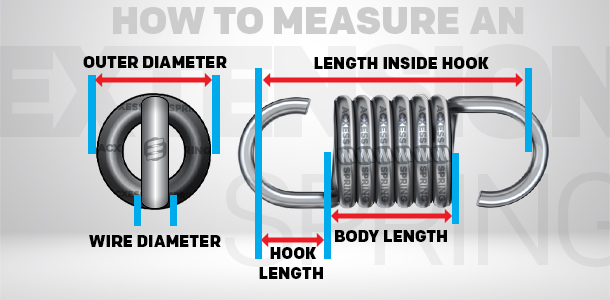
Knowing the dimensions that your spring needs to have can make your spring search easier. The more information you have, the easier it will be to narrow down your search. It would be ideal that you at least know the outer diameter of your spring and the length inside hooks.
Hook Types
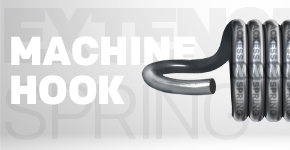
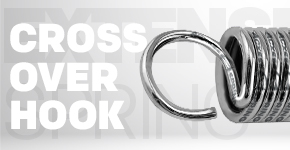
The most common types of hooks are machine hooks and cross-over hooks. However, you may also opt for no hooks. Having no hooks allows you to attach two bolts to each side of your extension spring, eliminating the chance of the spring hooks breaking or bending.
Material Type
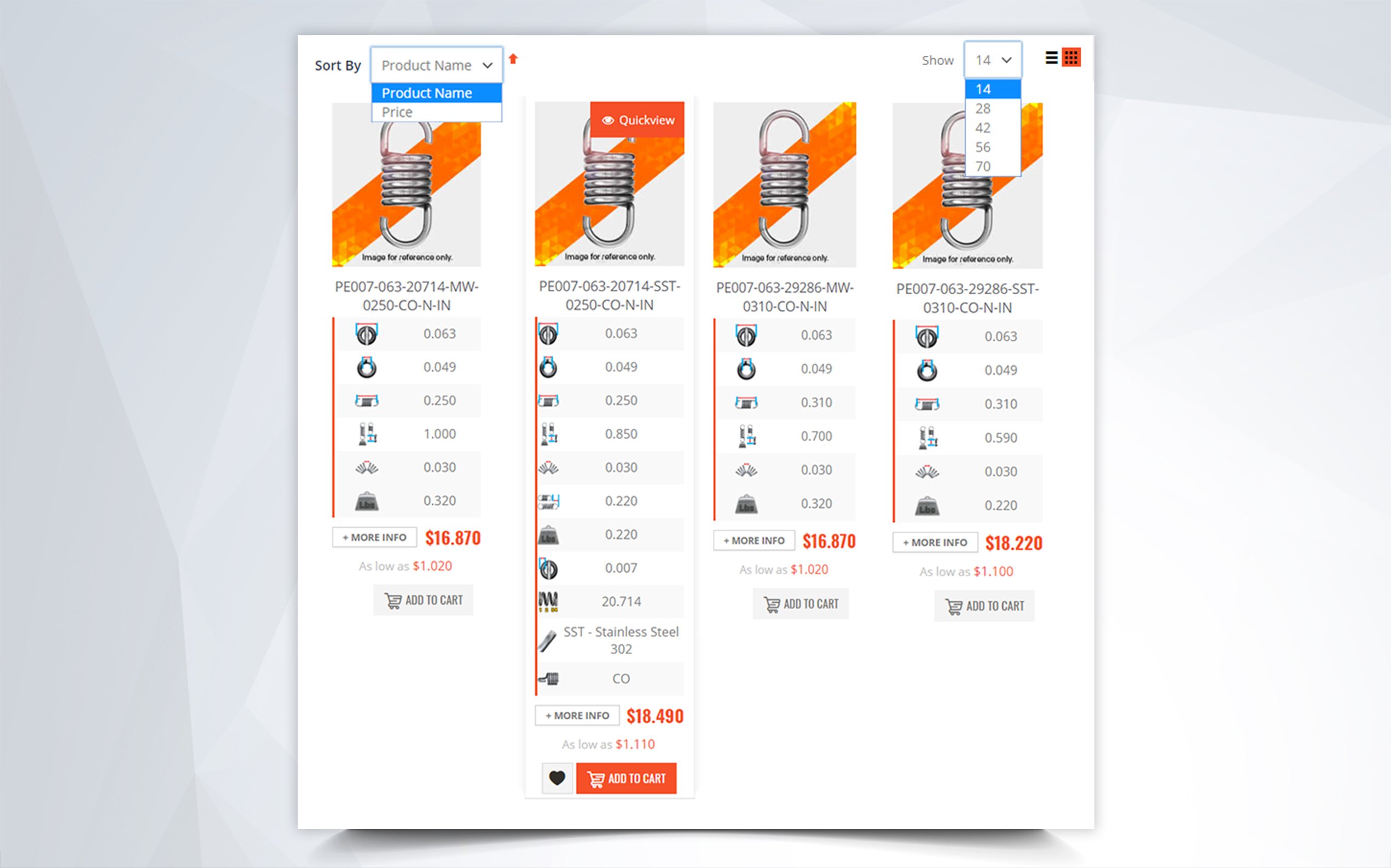
The most common material types for stock springs are Music Wire and Stainless Steel 302. When deciding what material type to choose, it is necessary to take into consideration the application and environment (humid, dry, extreme temperatures, etc.) in which your spring will be working. Considering what industry of the gadget/product your spring will be used in can help you analyze whether you need your spring to be resistant to humidity (in which case you need stainless steel) or to be able to withstand high temperatures, etc.
Initial Tension
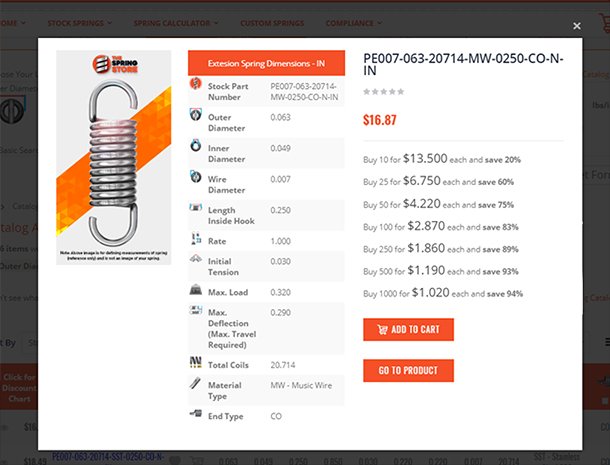
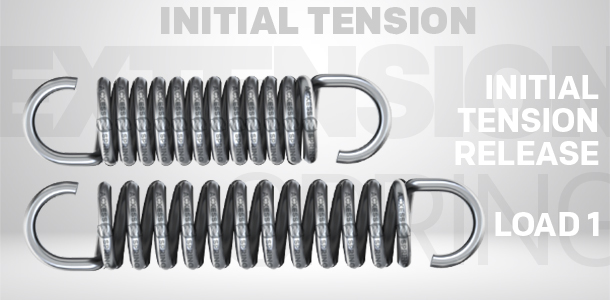
Initial tension is the energy already gathered in the spring’s coils. Such energy keeps the coils together. It is a force that is additional to the one determined by the spring rate. The rate increments on top of the initial tension so that you would just add the initial tension to the load calculated with rate to verify if your extension spring works under the load you need it to.
If you have the basic dimensions, an overall understanding of your spring’s working environment, and the load you require, it will be easy to choose the right extension spring. However, we understand sometimes you may have many options or not enough. In this case, you may opt for buying a few sample springs and testing them to see which bests matches your needs. If you need further help or assistance finding the right stock extension spring, please don't hesitate to contact us at (951)276-2777.