Large Compression Springs
Torsion Springs
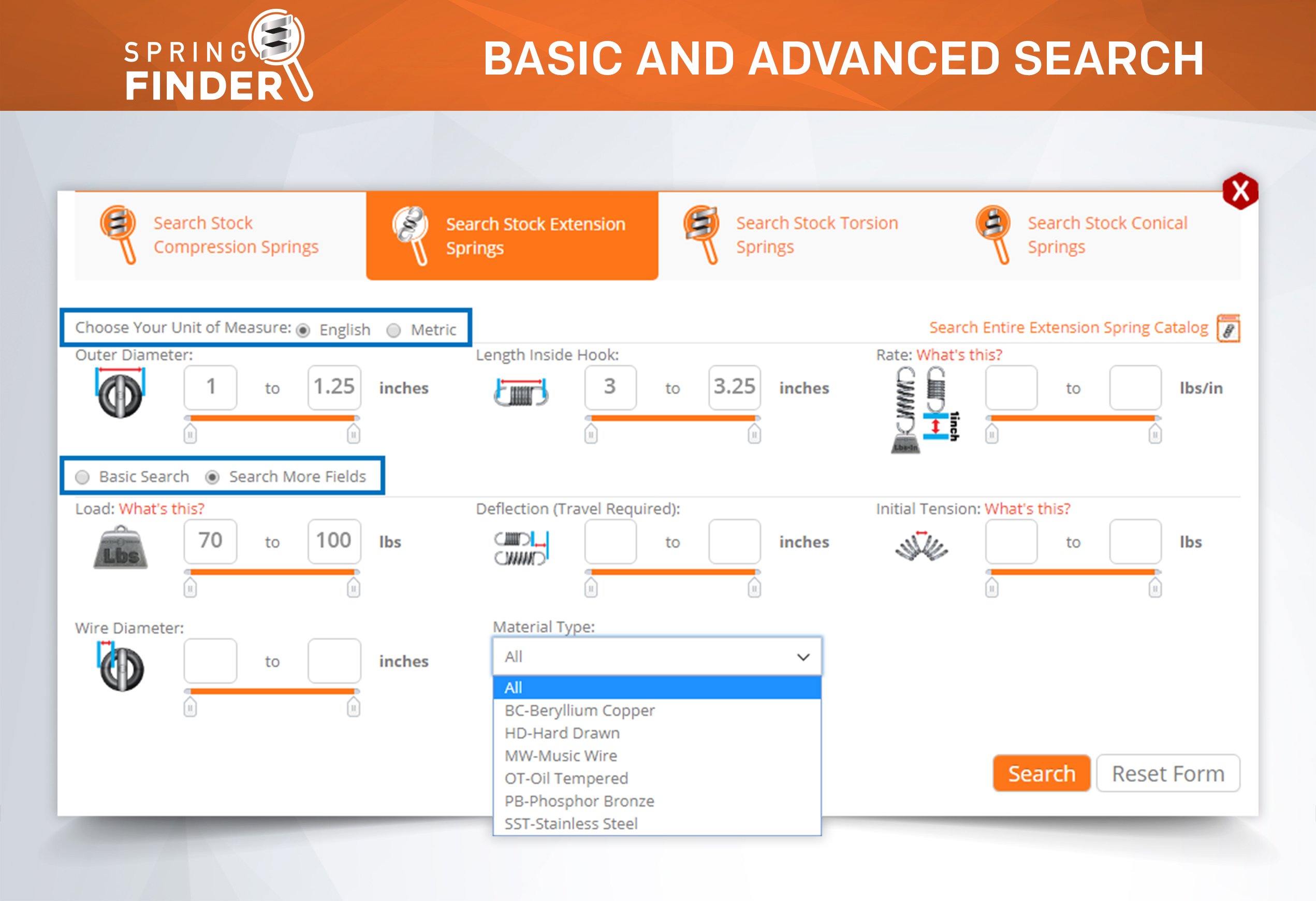
Input results shown will be +/- 10% from middle value
Hint: The closer your min and max inputs are, the more accurate your results will be!
Large Compression Springs: The Heavy Lifters of the Industrial World
Table of Content
- What makes a compression spring "large"?
- What are the basic dimensions of a compression spring, and how do they impact heavy-duty performance?
- Where do you typically find industrial coil springs in action?
- How do materials affect the strength and durability of high-load compression springs?
- Can I find custom heavy-duty springs that fit my specific specs?
- Takeaways for Your Next Project
Large compression springs are heavy-duty coils manufactured from substantial wire diameters to handle immense mechanical force. Often referred to as heavy-duty compression springs, these components are the backbone of systems where high load capacity and extreme durability are non-negotiable.
What makes a compression spring "large"?
When we talk about large-diameter coil springs, we are specifically referring to springs manufactured from considerable wire diameters, often exceeding 1" (one inch) at our facility. While a standard spring might be measured in fractions of a millimeter, these heavy-duty components are built with a physical mass that allows them to carry thousands of pounds of force. This massive volume of material provides a structural advantage; it ensures the spring can maintain its integrity under extreme compression without succumbing to plastic deformation.
The "largeness" of a spring also dictates its geometric relationship with the rest of your assembly. Even if a design has a wide spring index (the ratio of the mean coil diameter to the wire diameter) or a significant amount of "pitch" (the distance between the coils), the sheer gauge of the wire acts as a safety net. This allows the spring to handle incredible loads even in designs that would typically be considered "unstable" at a smaller scale. For heavy-duty compression springs, size isn't just about the space the part occupies; it's about the energy it can store and the massive mechanical work it can perform day in and day out. At The Spring Store, our capabilities reach up to an outer diameter of 9.250", ensuring that even the most gargantuan industrial requirements are met with precision-engineered strength.


What are the basic dimensions of a compression spring, and how do they impact heavy-duty performance?
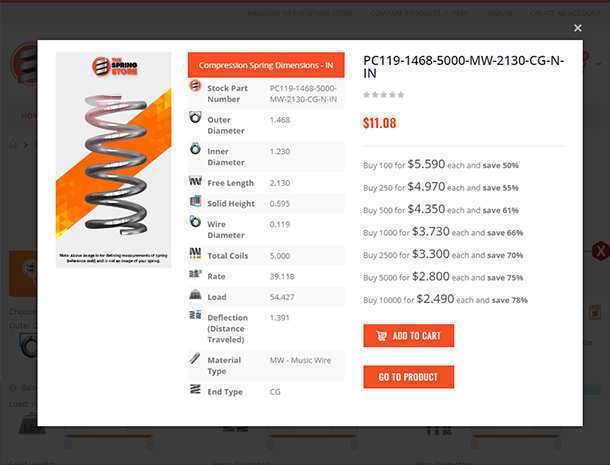
When you are designing or sourcing heavy-duty compression springs, understanding the "Big Four" dimensions is crucial. It isn't just about whether the spring fits in your assembly; it’s about how these measurements dictate the physics of the spring’s strength. In high-load applications, a change of just a fraction of an inch can be the difference between a machine that runs smoothly and one that suffers a catastrophic failure.
Here is how these dimensions specifically influence the effectiveness of a large diameter coil spring:
- Wire Diameter (d): This is the most critical dimension for heavy-duty applications. As we’ve discussed, we work with wire diameters over 1". The effectiveness of the spring scales exponentially with wire thickness; a small increase in wire diameter significantly increases the load-bearing capacity and the spring rate (stiffness).
- Outer Diameter (OD): For heavy-duty springs, the OD can go up to 9.250". While the OD must fit your housing, it also affects the "Index" of the spring. A smaller OD with a thick wire creates a very stiff, high-stress spring, while a larger OD with the same wire results in a more flexible coil.
- Free Length (FL): This is the total uncompressed length of the spring. In heavy-duty scenarios, the free length must be carefully calculated to ensure the spring has enough "travel" to handle the load without reaching "solid height" (where all coils touch) too early.
- Number of Coils (n): The number of active coils determines the spring's flexibility. In industrial coil springs, fewer coils generally mean a higher spring rate (more force required to compress), which is often desired for heavy machinery, but it also increases the internal stress on the steel.
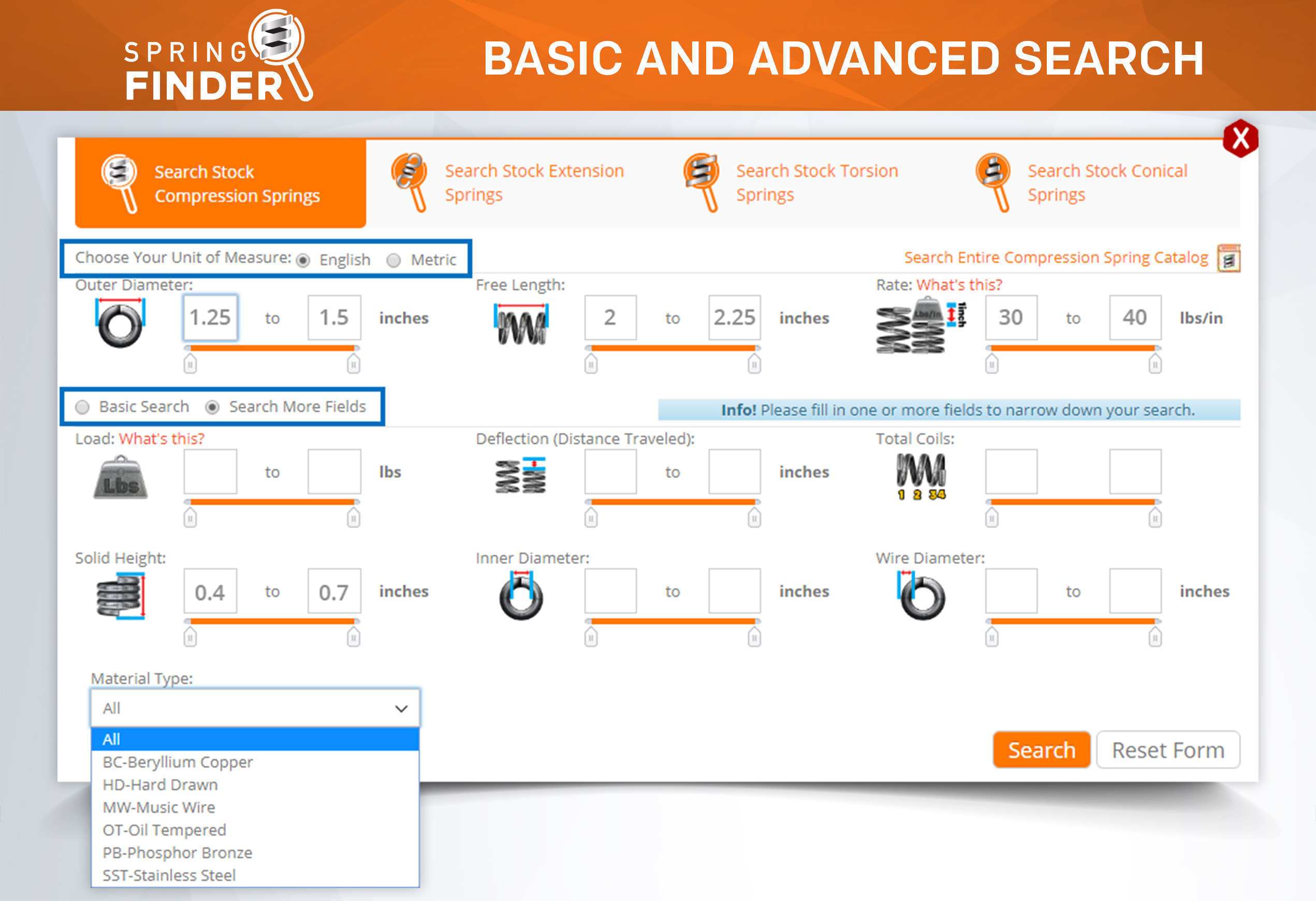
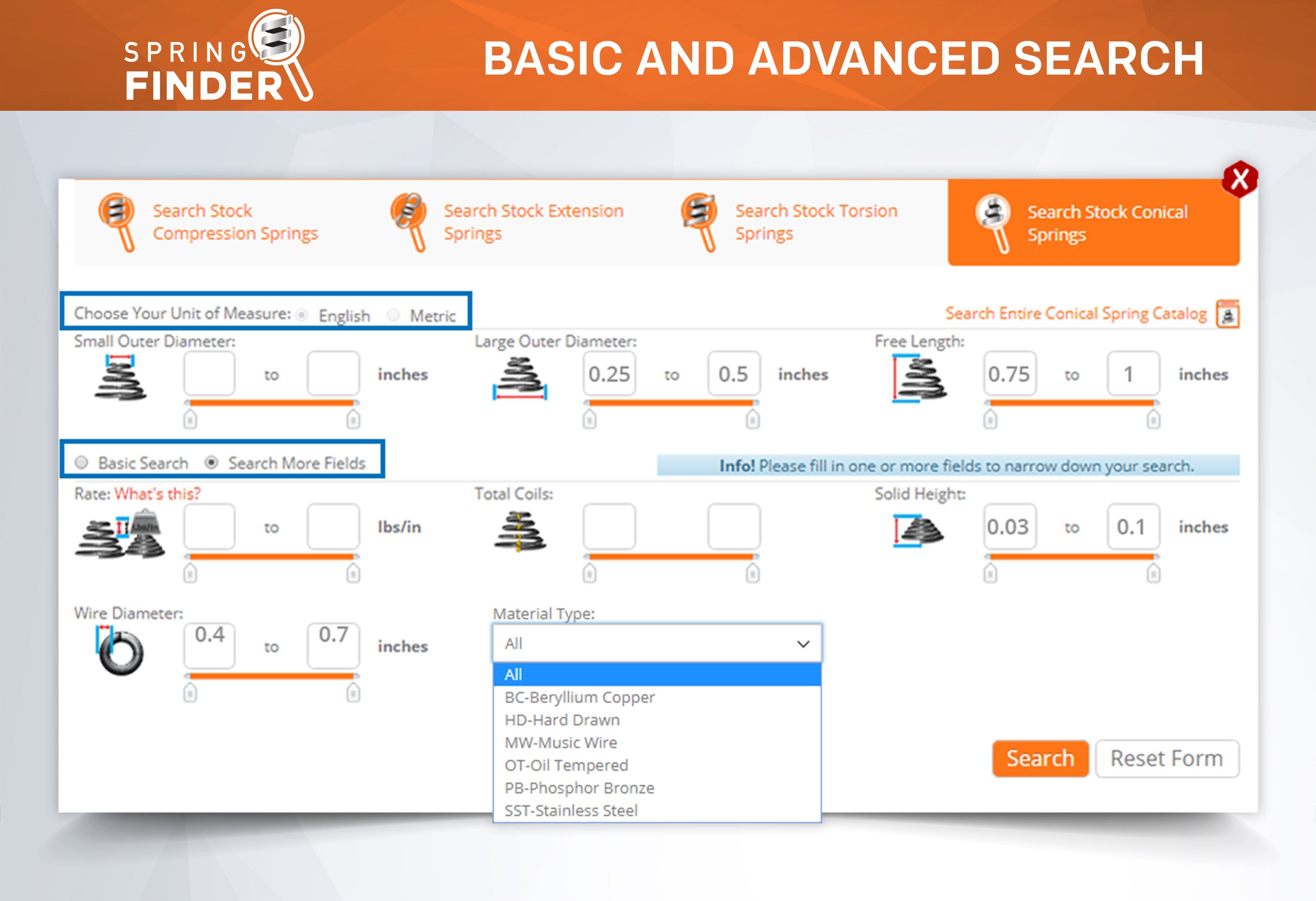
By balancing these four dimensions, you can tune a spring to handle massive weight while maintaining a long cycle life. If you have your dimensions ready, you can plug them directly into our Spring Finder to see how they impact your final design.


Where do you typically find industrial coil springs in action?
You’d be surprised how often these "giants" are working right under our feet or inside the heavy machinery that keeps the global economy turning. Because industrial coil springs are built for long-term endurance and fatigue resistance make them the go-to choice for sectors where equipment failure isn't just an inconvenience; it’s a major liability. I've seen these springs survive in environments that would eat smaller parts for breakfast.
You’ll most commonly see our heavy-duty designs in:
- Agricultural Machinery: Absorbing the violent shocks and vibrations in massive plows, tractors, and harvesters operating on uneven terrain.
- Oil and Gas: Serving as vital safety components for high-pressure blowout preventers and large-scale industrial valves.
- Construction & Mining: Providing the massive tension needed for rock crushers, excavators, and heavy-duty vibrating screens that process tons of raw material.
- Industrial Presses: Managing the immense energy return and dampening in metal stamping, forging operations, and heavy manufacturing lines.


How do materials affect the strength and durability of high-load compression springs?
Choosing the right material is the critical difference between a spring that lasts a decade and one that snaps in a week. For high-load compression springs, we primarily lean on Oil Tempered ASTM A229 because of its incredible resilience and ability to handle high-stress cycles in large-scale applications. It provides a perfect balance of toughness and elasticity. However, environment matters just as much as the load itself. If your application is outdoors or involves chemicals, we shift our focus to alloys that can fight off the elements.
Here is a quick look at how our two most popular heavy-duty materials stack up against each other:
| Property | Oil Tempered (A229) | Stainless Steel 302 (A313) |
| Best Use Case | High-stress, heavy-duty dry environments | Corrosive, damp, or high-temp environments |
| Tensile Strength | Very High; ideal for maximum load | High; great for durability but slightly less than Oil Tempered |
| Cost Effectiveness | Excellent for large wire diameters | Higher (due to alloy content and protection) |
| Magnetic? | Yes, strongly magnetic | Slightly Magnetic to Non-magnetic |
| Max Operating Temp | 250°F | 500°F (Better for heat-intensive engines) |
Can I find custom heavy-duty springs that fit my specific specs?
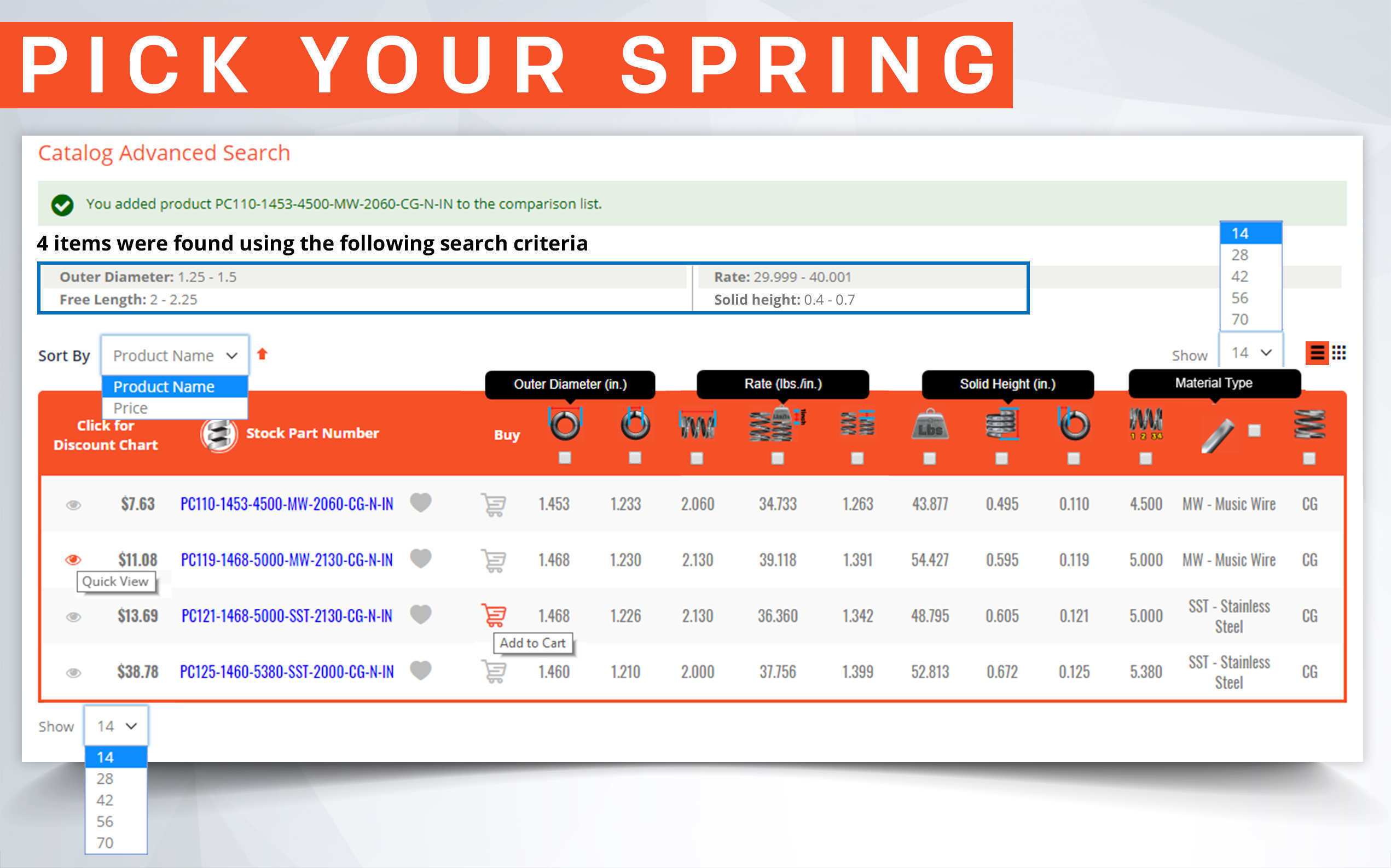
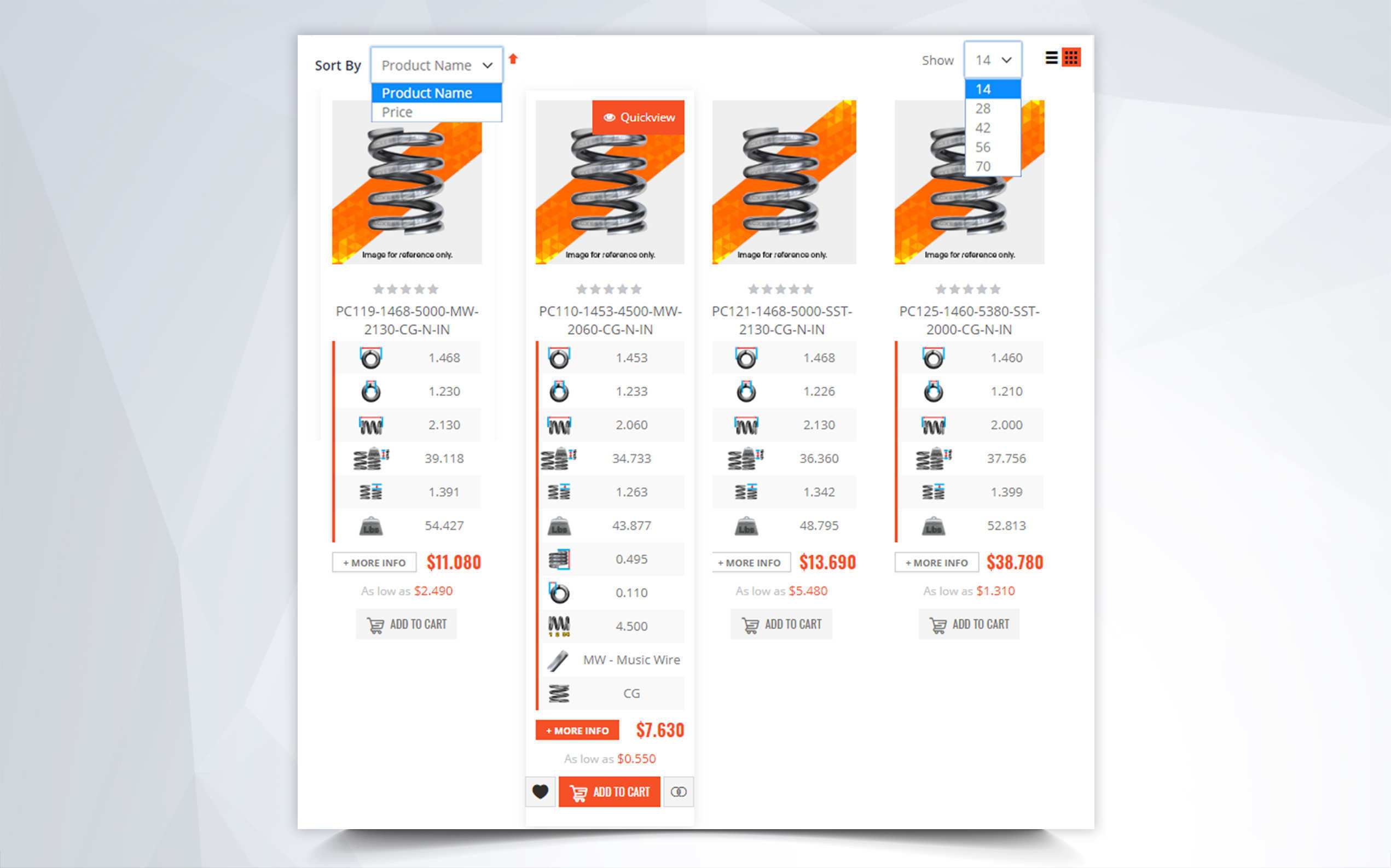
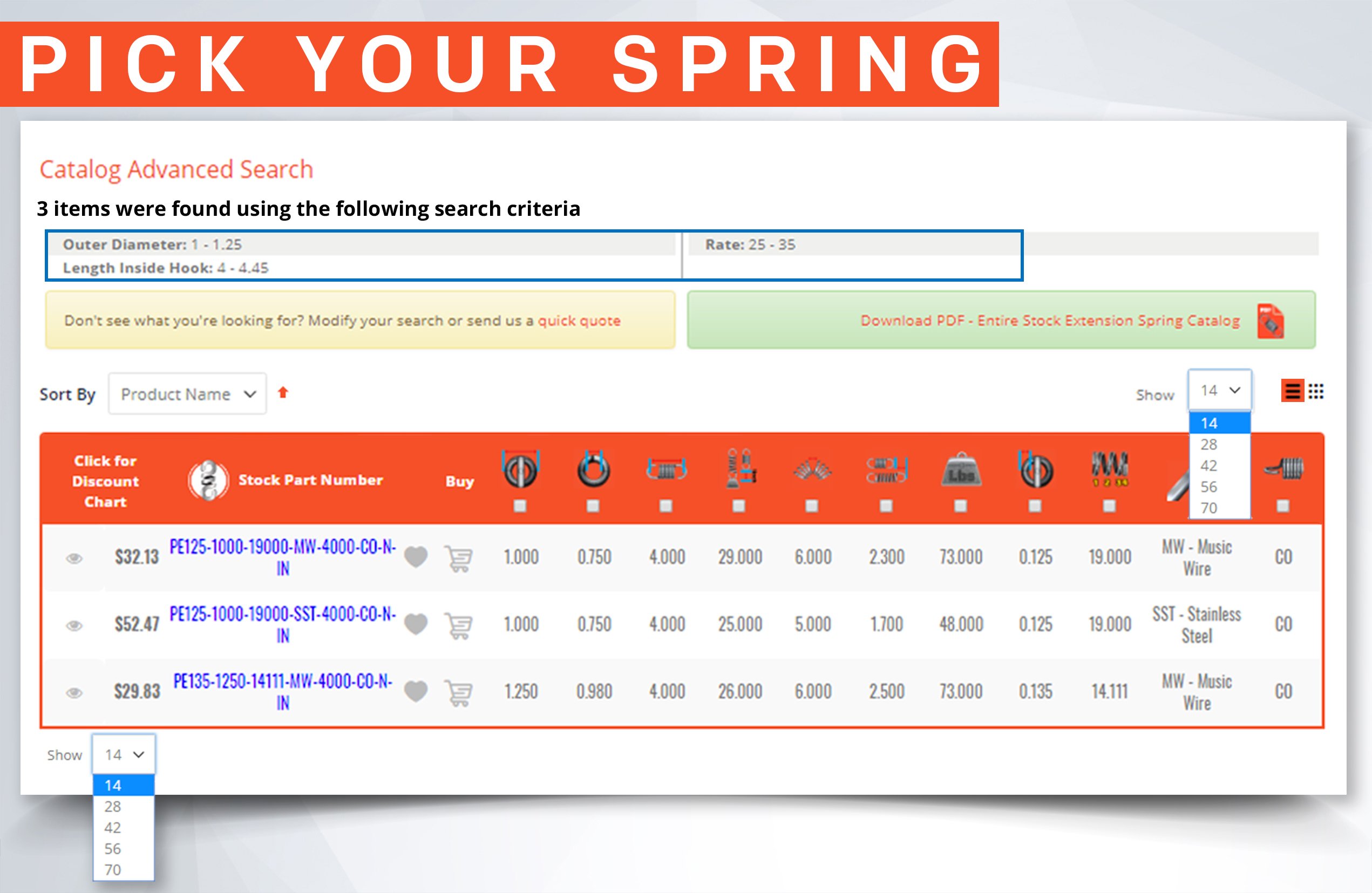
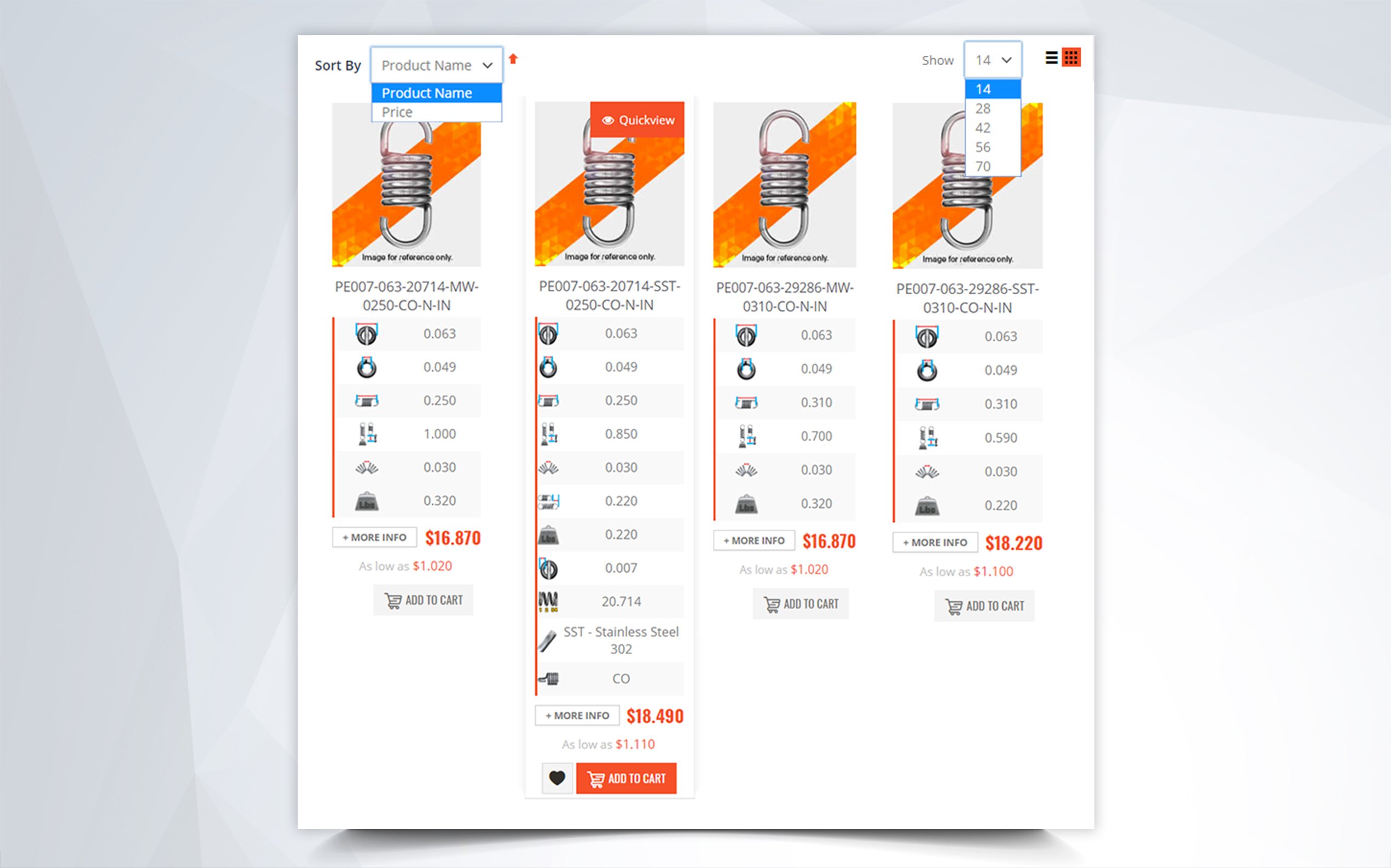
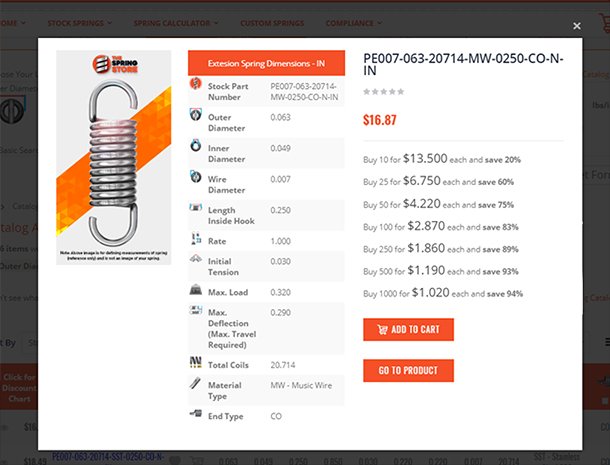
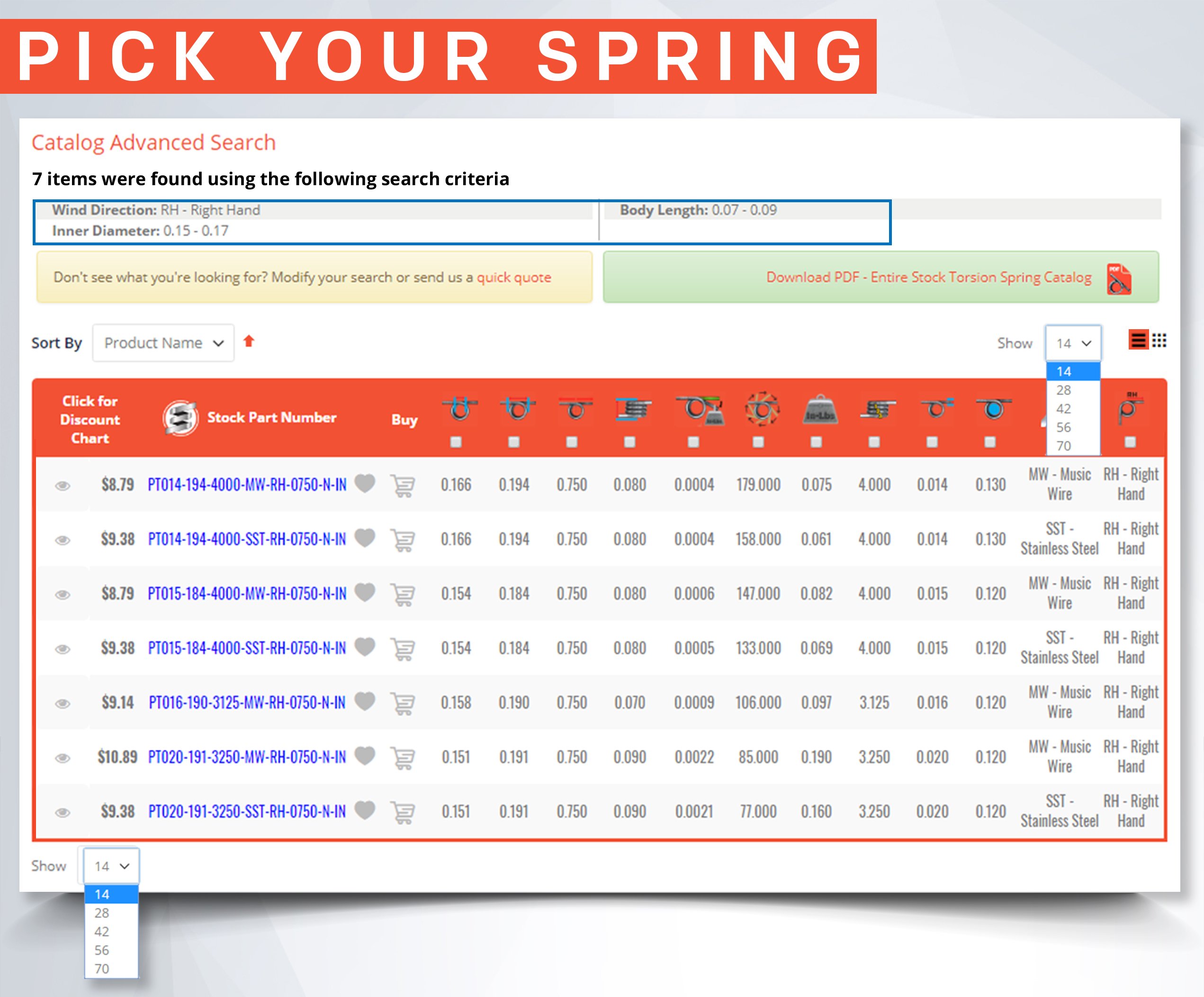
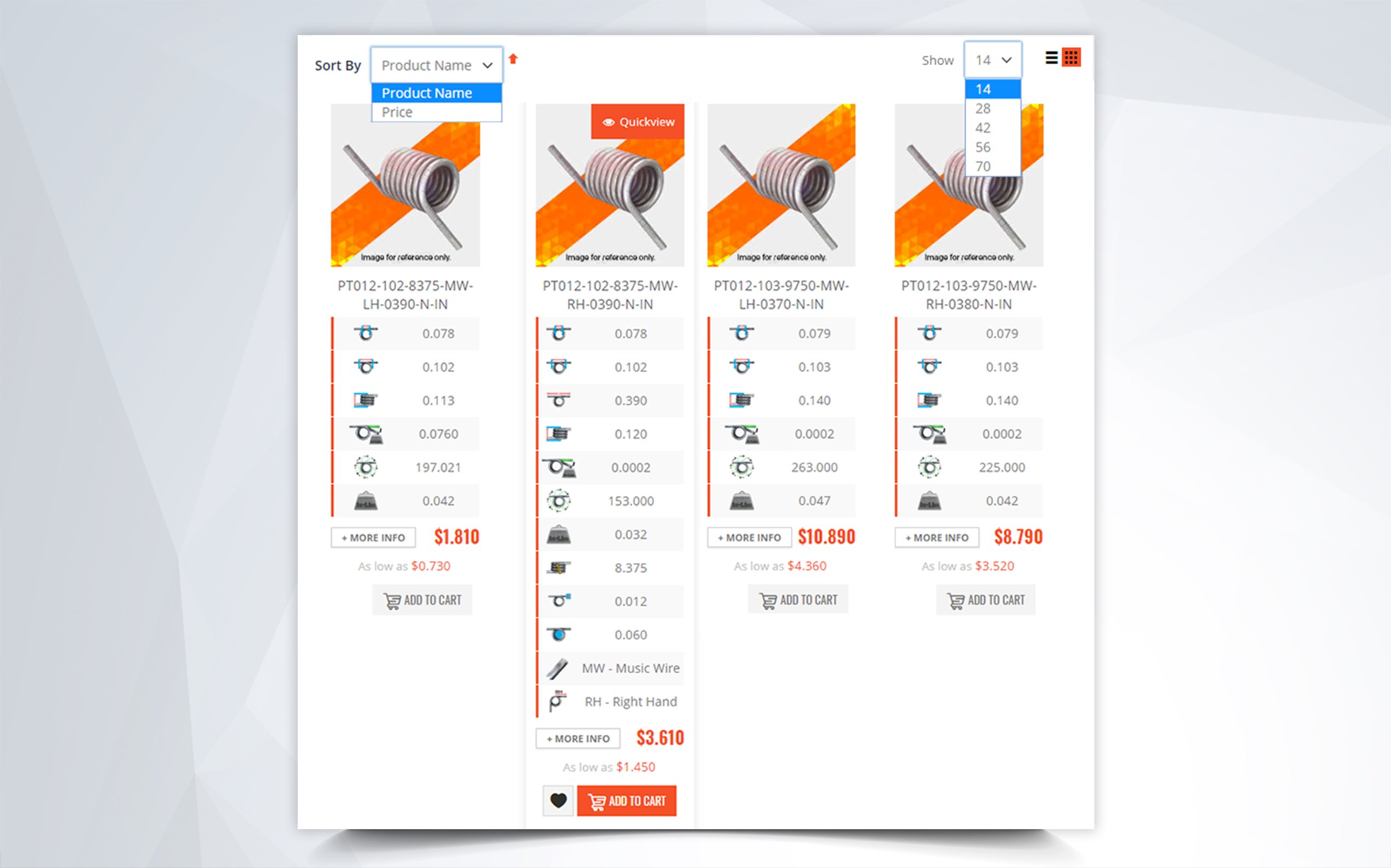
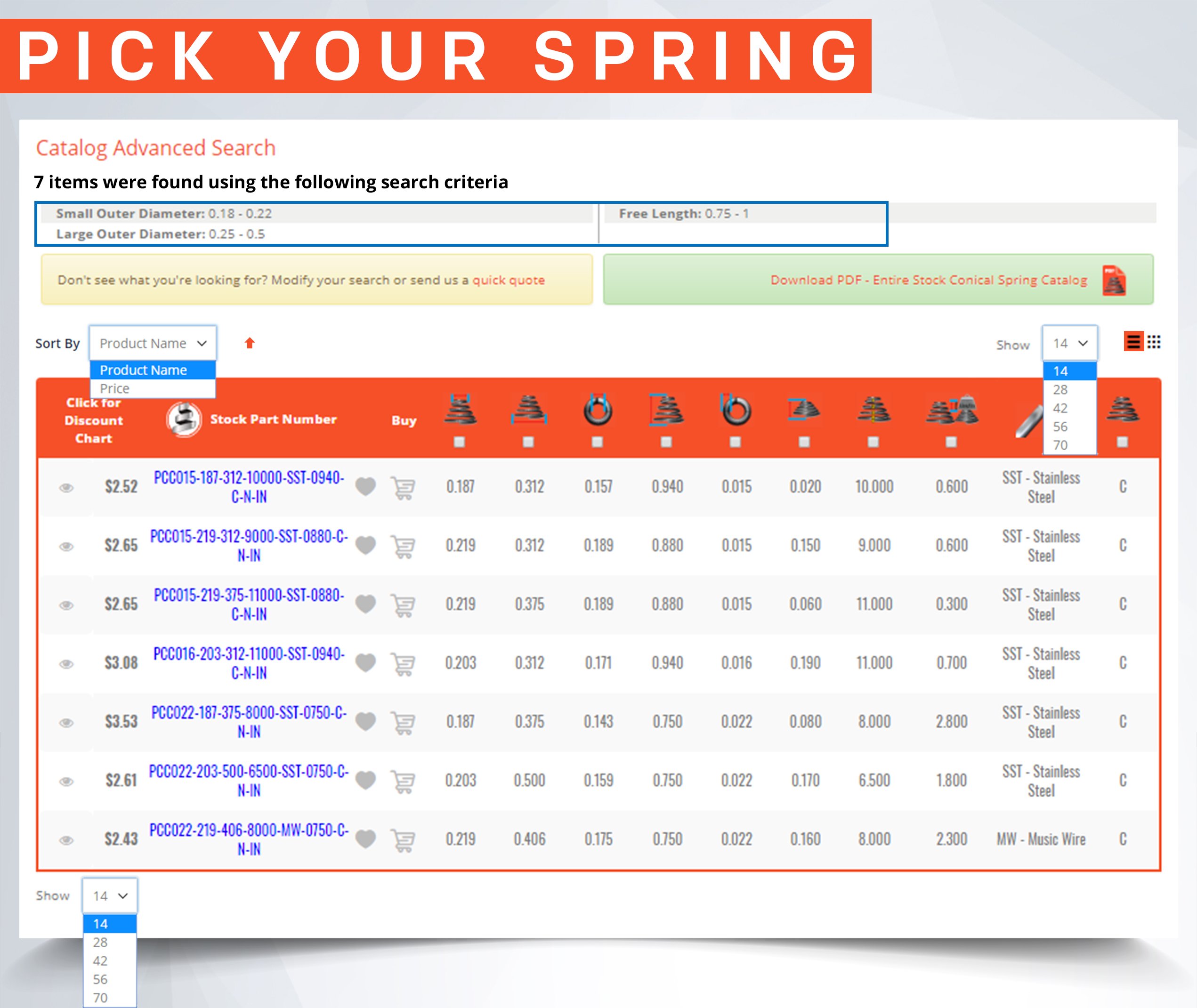
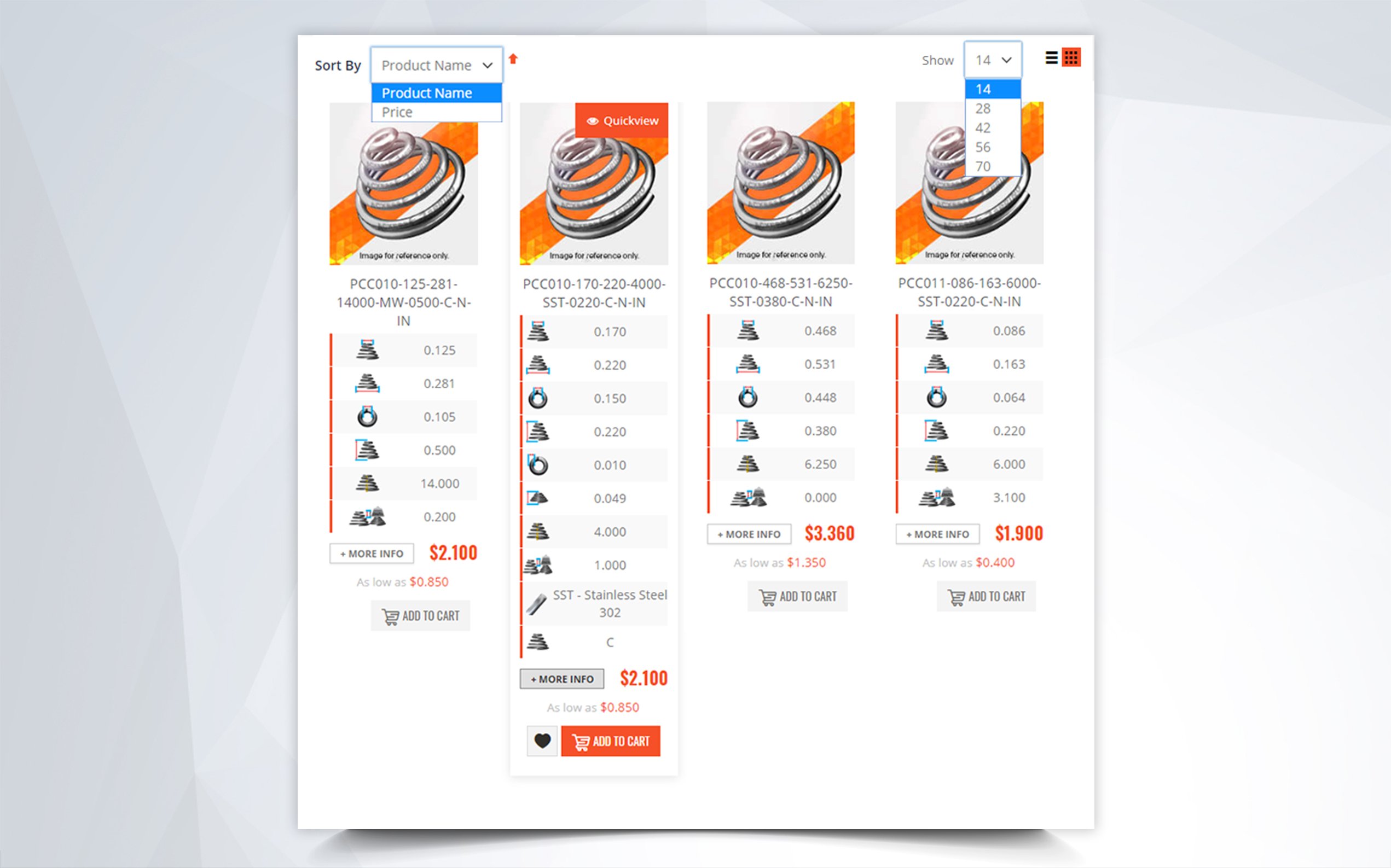
Finding the perfect fit can be a genuine challenge when you're working with outer diameters up to 9.250". Standard "off-the-shelf" parts don't always cut it for specialized engineering projects. That is why we’ve built tools to take the guesswork and the long wait times out of the procurement process. If you browse our compression spring catalog, you’ll find an extensive range of stock parts ready to ship the same day.
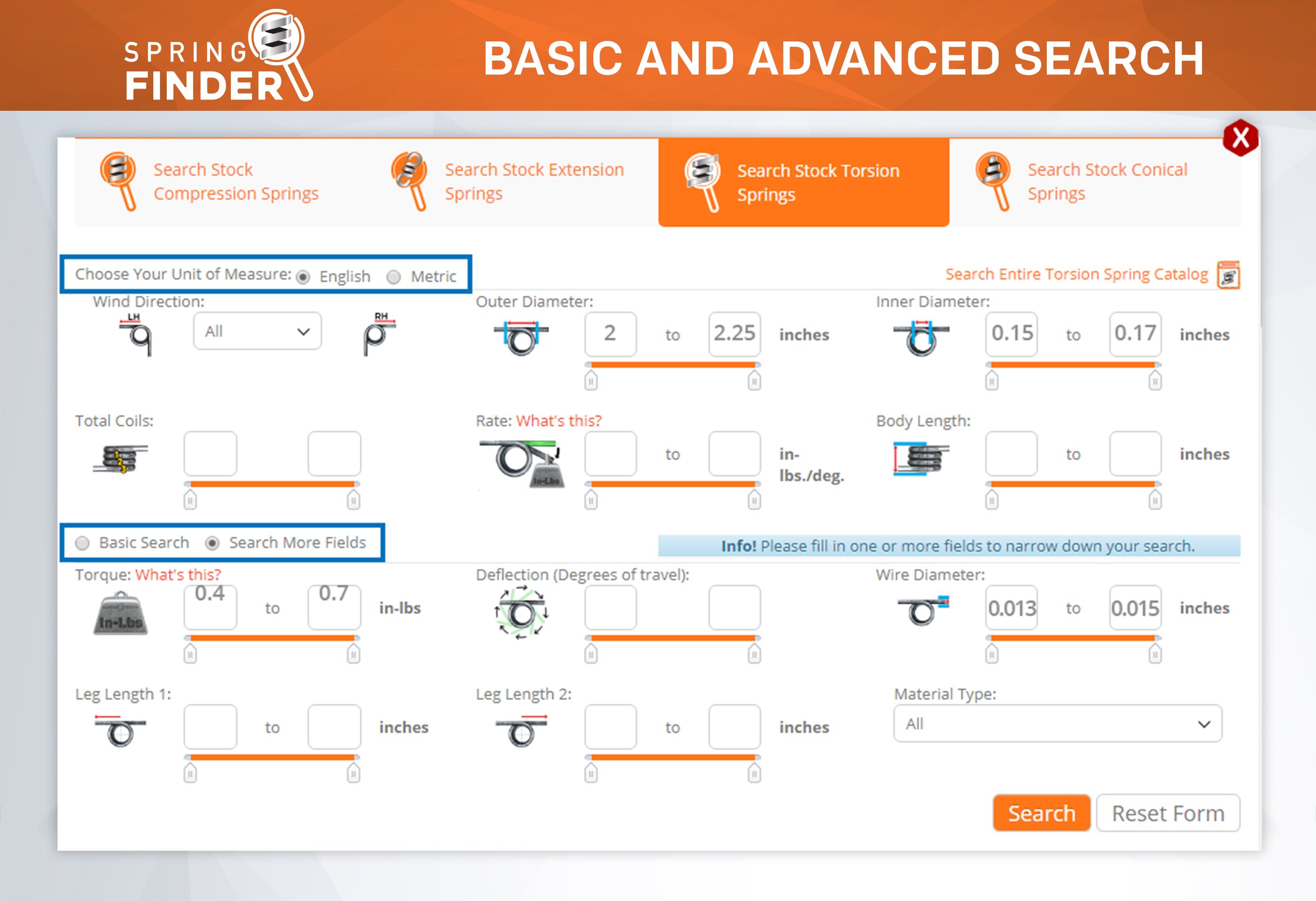
However, I know that many projects require a unique force-to-length ratio or a specific rate that you simply can't find on a shelf. You don't have to start your design from scratch or wait weeks for a salesperson to call you back. You can use our Spring Finder to set your own tolerances, searching by a specific range of inches for your outer diameter or length rather than vague percentages. And for those truly one-of-a-kind projects, our Spring Creator allows you to design, refine, and price custom heavy-duty springs in real-time, giving you the power to move your project forward instantly.


Takeaways for Your Next Project
Before you head off to the shop to finalize your order, keep these essential points in mind to ensure your heavy-duty application performs exactly as intended:
- Load Capacity is Linked to Wire Size: Always remember that the wire diameter is the primary driver of strength; the thicker the wire, the more force the spring can safely exert.
- Large-Scale Capabilities: We specialize in the "big stuff," accommodating wire diameters over 1" and outer diameters up to a massive 9.250".
- Strategic Material Selection: While Oil Tempered ASTM 229 steel is the industry standard for sheer strength, Stainless Steel 302 ASTM A313 is your best friend if rust or high heat are factors.
- Advanced Search Precision: Don't settle for "close enough." Use our Spring Finder to search by your specific dimensional ranges to find the perfect stock match.
- The Custom Advantage: If our massive catalog doesn't have your specific part, the Spring Creator provides a custom-manufactured solution with instant pricing and no hidden delays.
Still not sure which spring can handle your specific load requirements? Contact our team of experts today! We love talking shop and helping you navigate the technical nuances of your heavy-duty spring design.
Contact our engineering team today:
Phone: (951) 276-2777
Email: sales@acxesspring.com
Invest in precision and quality
Spring Creator 5.0 offers you the possibility to design springs that perfectly fit your needs. Our platform not only allows you to design various types of springs but also provides advanced tools like the Online Spring Force Tester to simulate and evaluate spring performance. Visualize your design in 3D, download detailed blueprints, and get instant quotes. Try it for free and discover why we are the preferred choice of engineers and makers!
Created by Alfonso Jaramillo Jr
President Acxess Spring
Over 40 Years of Experience in Spring Engineering and Manufacturing